
Valley Replacement
Renew a rusted, damaged or unsuitable roof valley so concentrated rainwater can travel through a clear, integrated drainage channel.
Valley Replacement Geelong
A roof valley is the internal channel formed where two sloping roof planes meet. Because runoff from both planes converges there, the valley can carry a much greater concentration of water than the surrounding roof. Rust, obstruction, damaged edges or an unsuitable tray can therefore produce leaks that become noticeable during sustained or heavy rain. Valley replacement renews this critical drainage route rather than repeatedly covering an isolated symptom.
iFix Roofing Geelong inspects the valley together with the tiles or sheets that feed it, its supports, the outlet and the downstream gutter. Replacement may be suitable when the existing channel is corroded, damaged, persistently blocked by a defective arrangement or too compromised for a dependable repair. We define the work around the actual roof and may offer free inspections and quotes in Geelong and surrounding areas.
20+ Years
Industry Experience
Fully Licensed
Roofing Team
Insured
Local Professionals
Trusted
Geelong Roofers
Signs a Roof Valley Is No Longer Draining Reliably
Visible valley rust, leaf or debris build-up, displaced tiles beside the channel and staining below the valley line are useful warning signs. Indoors, moisture may show near the internal roof intersection, but it can also travel along framing before appearing.
A compromised valley can let water reach battens, underlay, insulation, plaster and timber. Debris may hold moisture against metal and restrict flow, while damaged tile cuts or poorly positioned edges can direct water outside the tray. Overflow at the lower end can also affect eaves or fascia.
Not every blocked or marked valley requires replacement. Cleaning may resolve loose debris where the tray remains sound, and a truly isolated defect may be repairable. Replacement becomes more appropriate when corrosion is advanced, the channel or laps are unsuitable, damage is extensive, or earlier patches keep failing.
Roof Valley Replacement for Geelong Weather
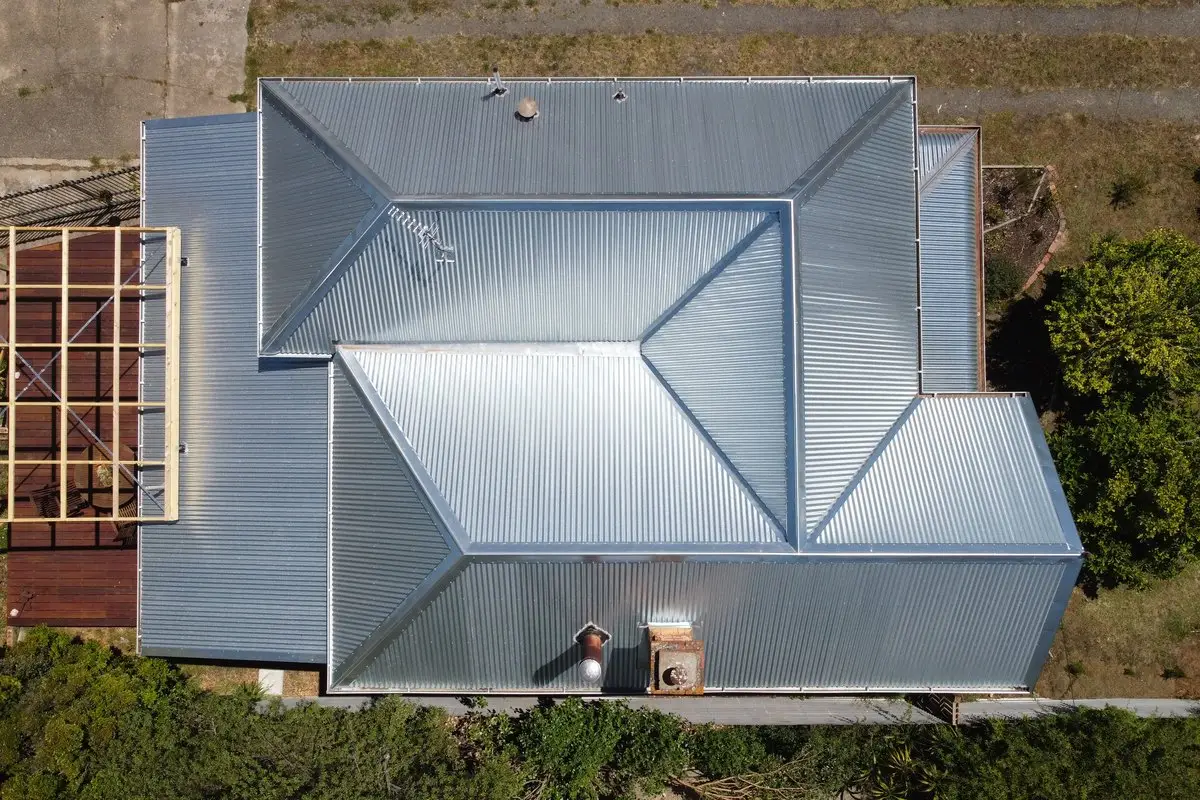
Geelong’s winter rain, sudden fronts and windy conditions can test an internal roof channel because runoff arrives from two planes at once. Wind-blown debris may collect where roof lines meet, and properties with bay or coastal exposure can face additional corrosion considerations. A replacement must provide a clear route at the expected fall and maintain coverage along both sides when rain is driven across the roof.
Older tiled roofs, metal sections and additions can create different valley arrangements, sometimes within the same property. Alterations may change the catchment feeding a channel or the way its lower end meets a gutter. We avoid assuming that the old tray should simply be copied. The roof covering, pitch, water volume, outlet and adjoining materials are considered before the replacement profile and scope are settled.
Why Choose iFix Roofing Geelong
Valley work calls for careful removal and reinstatement of the roof covering beside a high-flow channel. iFix Roofing Geelong assesses not only the visible rust or blockage but also tile or sheet alignment, support, side coverage, laps and discharge. This helps determine whether valley replacement is a complete targeted solution or one part of related roof and drainage work.
Our fully licensed and insured team is based in South Geelong and brings more than 20 years of roofing industry experience. We explain the observed condition, practical options and potential effects of lifting adjoining roofing. Quotes can separate required valley work from other identified items, giving owners a clear basis for deciding without promises of universal materials, exact completion periods or certainty beyond the inspection findings.
20+ Years of Roofing Experience
Fully Licensed and Insured Team
High-Flow Valley Assessment
Clear Cleaning-versus-Replacement Advice
Integration with Tiles or Roof Sheets
Outlet and Downstream Drainage Checks
Practical Property Preparation Guidance
South Geelong-Based Roofing Team
How Valley Condition Shapes the Replacement Plan
Distinguishing Debris from Deterioration
Leaves and other debris can obstruct flow and retain moisture, yet blockage alone does not establish that the metal needs renewal. Once safely accessible, the channel can be assessed for rust, perforation, deformation, failed laps and restricted discharge.
Stains after intense rain, corrosion visible from accessible viewpoints and recurring debris at a poorly arranged junction all support further investigation. Owners should avoid walking on the roof or disturbing brittle tiles to look more closely. Photos of internal staining and notes about the rainfall can assist.
Replacement Scope and Practical Options
A targeted valley replacement can be appropriate where the channel has failed but the adjoining roof retains useful service life. The work may involve lifting tiles or opening adjacent roofing sufficiently to remove the old tray and fit the new one.
Repair may involve less disturbance when damage is genuinely isolated and there is sound material for a reliable connection. Replacement involves more handling but removes an extensively corroded or unsuitable run. Broader roof renewal is a different decision and should not be assumed solely because one valley has failed.
Valley Removal and Rebuilding
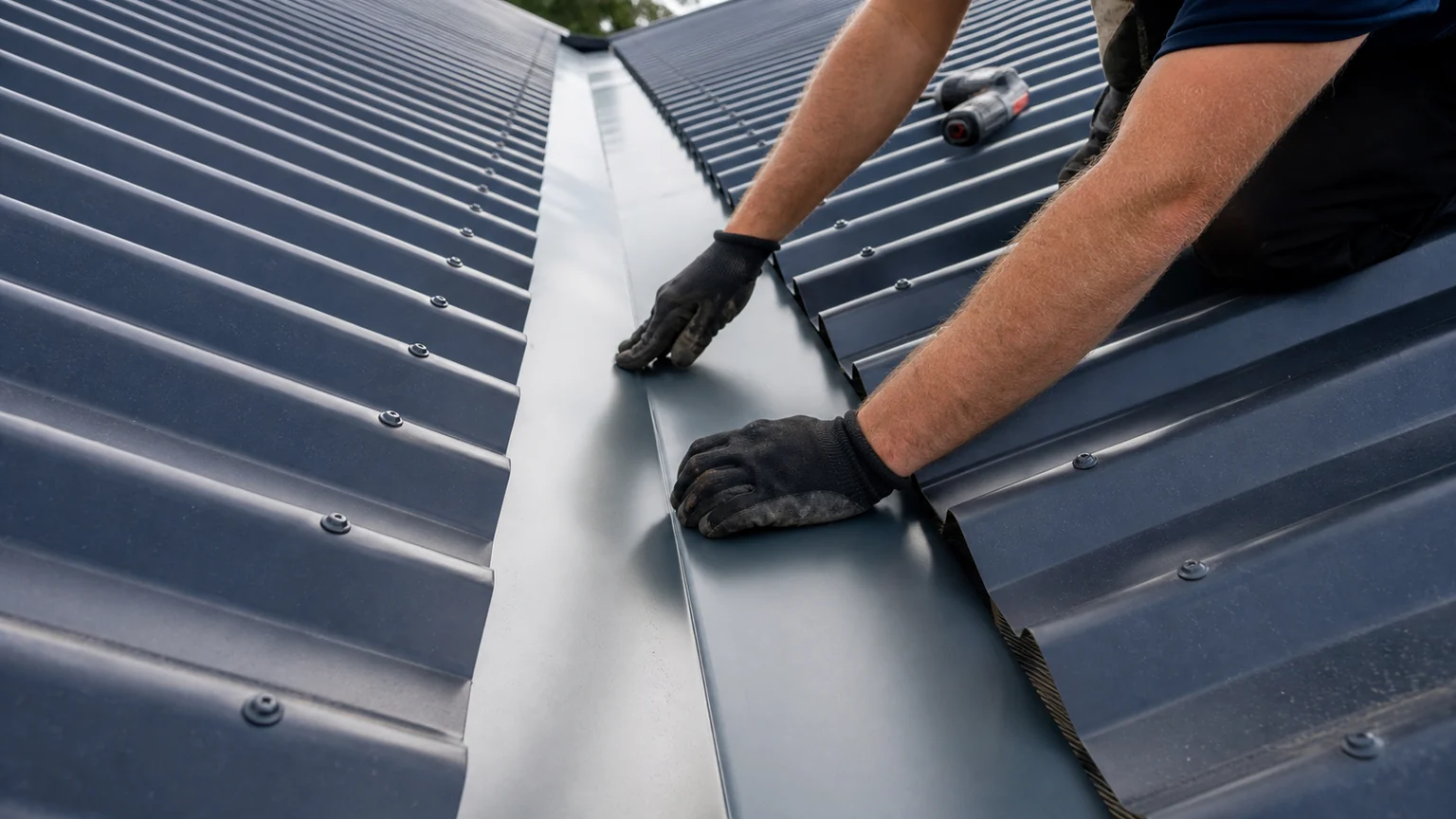
Work begins with access planning and protection of the surrounding area. The roof covering beside the valley is carefully lifted or opened, and the failed channel is removed. This exposes accessible supports and interfaces for review.
The replacement channel is fitted with dimensions, laps and side coverage suited to the roof arrangement, then adjoining tiles or sheets are reinstated to feed water into it. Attention is given to the lower discharge so the flow reaches functioning drainage. Debris and removed material are cleared from the work area.
Materials, Water Capacity and Site Preparation
A valley tray, compatible fixings and any required sealing components are selected for the particular roof rather than prescribed universally. The channel needs suitable width, support, fall, laps and interfaces for the water it receives.
Before the visit, clear agreed vehicle and equipment access, advise the team about pets or locked gates, and protect or identify fragile landscaping. Valley replacement can involve noise and the handling of tiles, sheets and removed metal. Internal access may help correlate a stain with the roof line.
Request a Valley Replacement Quote
If a valley shows rust, recurring blockage or leakage during heavier rain, ask iFix Roofing Geelong to assess the channel and adjoining roof. We can explain whether cleaning, repair or replacement is appropriate and provide a free quote where offered.
Talk to a Local Roofer About Your Valley
Call 0448 889 294 and tell our South Geelong-based team where staining appears, whether debris is visible and what type of rain triggers the issue. We service Geelong and surrounding areas and can help arrange a suitable inspection.
Valley Replacement Geelong FAQs
Does a blocked roof valley always need replacement?
No. Loose debris may be removable if the tray, laps, side coverage and outlet remain sound. Replacement is more likely where blockage has contributed to advanced corrosion, the channel is damaged or its arrangement repeatedly traps material and restricts flow. Inspection separates maintenance needs from structural deterioration.
Why does my valley leak only in heavy rain?
A valley carries combined runoff from adjoining roof planes, so defects may become apparent only when water volume increases. Restricted outlets, debris, insufficient side coverage, damaged adjoining roofing or leaks at laps can contribute. The whole run and its discharge point should be checked rather than assuming the visible stain identifies the exact defect.
Will tiles need to be removed for valley replacement?
On a tiled roof, tiles beside the valley generally need to be lifted or removed sufficiently to access and replace the channel, then reinstated to direct water correctly. The exact extent depends on the roof and tile condition. Metal roofing requires its own access and reinstatement method around the valley.
Can one valley be replaced without replacing the whole roof?
Yes, when the failed valley is localised and adjoining roofing provides a suitable basis for reinstatement. If nearby roof covering, supports or drainage are also significantly deteriorated, related work may be needed. An inspection and itemised scope help distinguish a targeted replacement from a broader roof decision.
What should I do if I notice a ceiling stain below a valley?
Record when the stain appears, photograph it if safe and arrange an inspection. Avoid climbing onto a wet roof or disturbing tiles. Staining can have more than one source, and water may travel along framing, so the valley, adjacent roof planes and drainage should be assessed before a replacement is assumed.