
Flashing Replacement
Replace rusted, lifted or repeatedly patched flashing with a roof-specific detail that restores controlled drainage around vulnerable junctions.
Flashing Replacement Geelong
Flashing replacement addresses an existing junction detail that has corroded, moved, lifted or reached the point where another patch is unlikely to resolve the underlying weakness. Flashing sits at some of the roof’s most demanding locations, including walls, penetrations and changes in direction. Removing failed material creates an opportunity to inspect what lies beneath and reinstate a detail that sheds water into the intended roof and drainage path.
iFix Roofing Geelong assesses failed flashing in context. A rusted edge may be obvious, but the replacement also has to suit the current sheets or tiles, adjoining wall, roof pitch, fixing points and downstream drainage. We explain whether replacement can remain localised or whether connected deterioration changes the sensible scope. Free inspections and quotes may be offered across Geelong and surrounding areas.
20+ Years
Industry Experience
Fully Licensed
Roofing Team
Insured
Local Professionals
Trusted
Geelong Roofers
When Existing Flashing Has Reached Its Limit
Common signs include cracked or separating sealant, lifted edges, visible corrosion, loose fixings and recurring stains after rain. A junction that has accumulated several layers of patching can be another clue: each patch may cover the last one without restoring the original overlap or water path. Movement between adjoining surfaces can also open a detail that once appeared sound.
Failed flashing can admit moisture behind roof coverings or against walls before water becomes visible indoors. Damp insulation, marked plaster, deteriorating timber or mould-like staining can follow if entry continues. Water may travel, so the ceiling mark is not always directly below the defect. Replacing only the most visible rusty section without tracing the route can leave another opening untouched.
The key decision is whether a repair still has a sound base. A minor isolated defect may justify targeted work, while extensive corrosion, poor original geometry or repeated failure often makes removal and replacement more practical. The inspection should also test whether gutters, valleys, sheets, tiles or penetrations are contributing. That evidence allows the owner to compare disruption and scope without assuming that replacement of every nearby component is necessary.
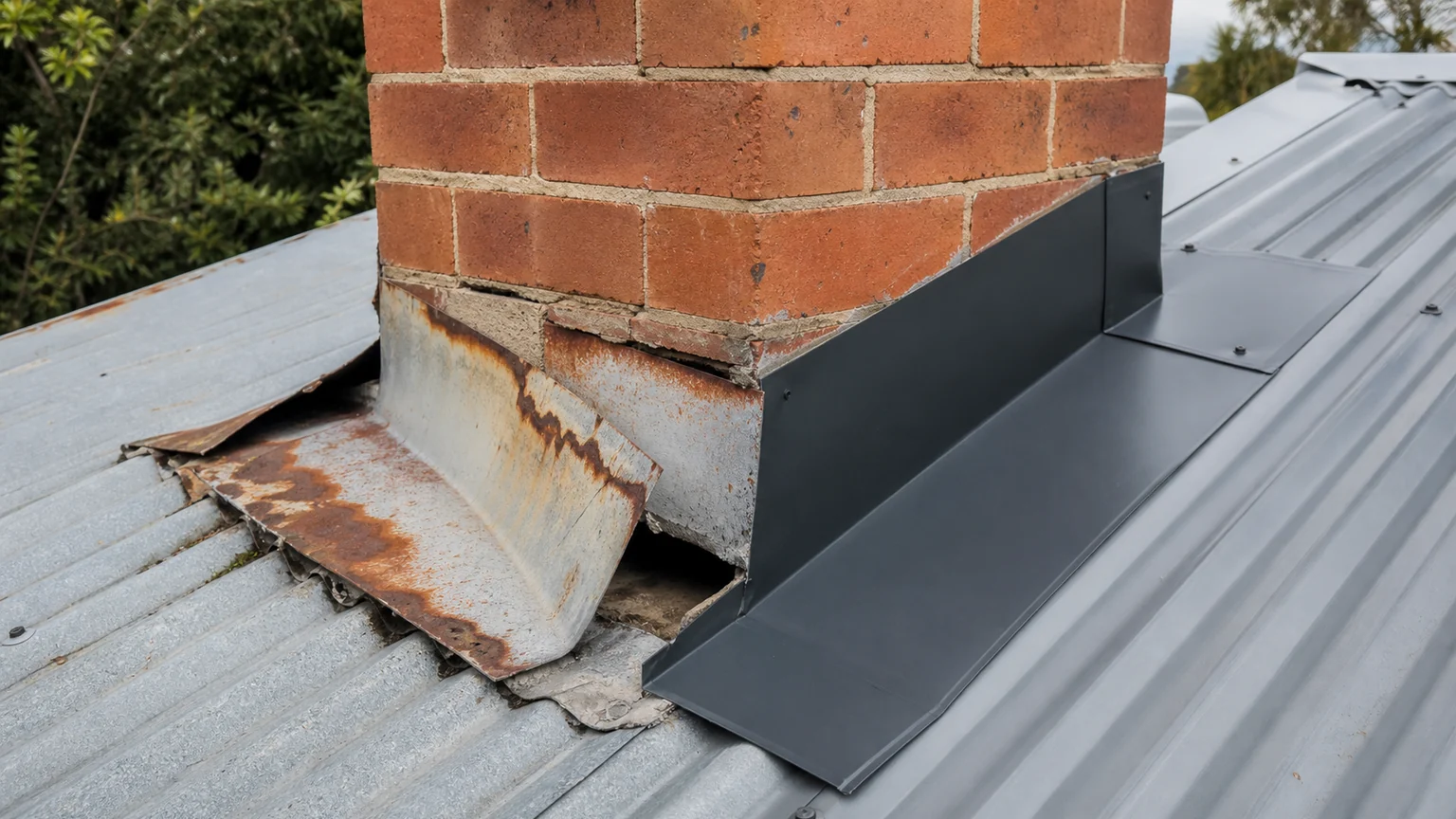
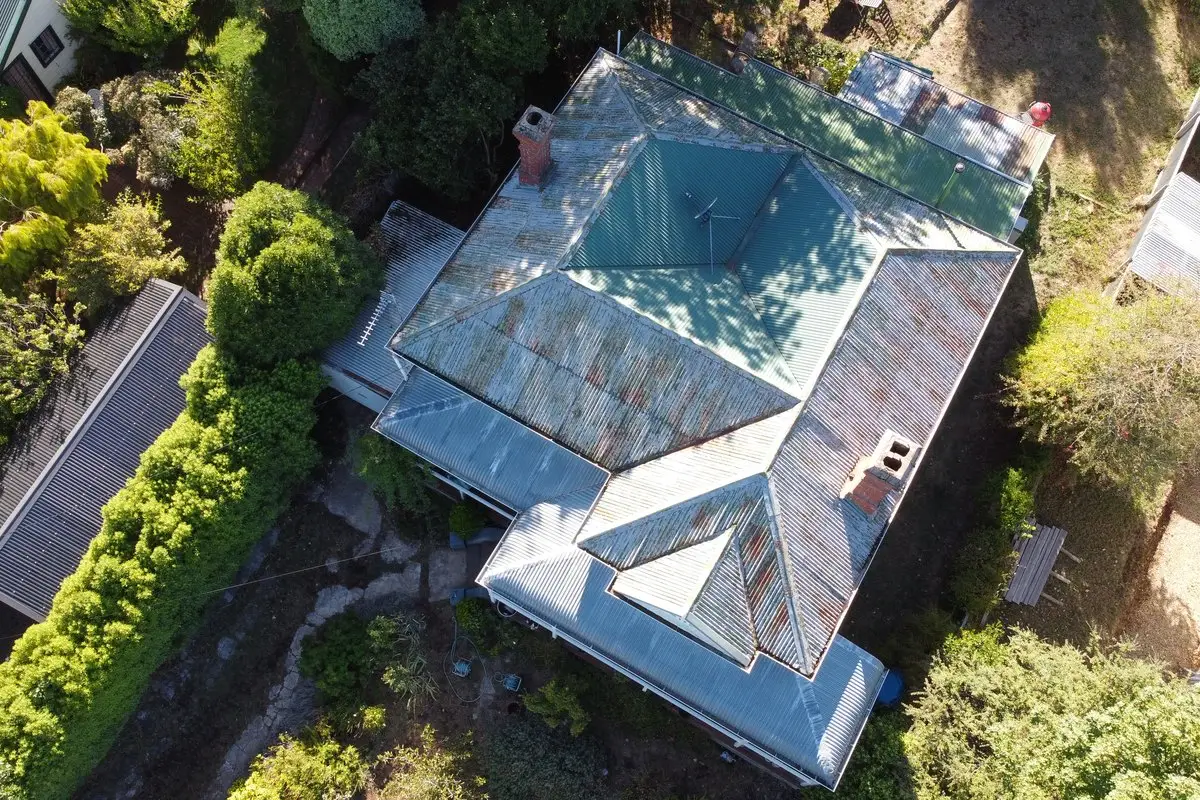
Replacing Flashing in Geelong Conditions
Changes between dry heat, cold fronts and winter rain can expose movement and ageing at roof junctions. Wind may drive water beneath a lifted edge that does not leak during calm rainfall, while coastal or bay exposure may increase corrosion risk for some components. Replacement planning therefore considers secure coverage, compatible metals and fixings, and the direction water takes under less forgiving weather.
Geelong properties range from older tiled and metal roofs to additions joined onto an earlier building. Past skylight, verandah or roof alterations may leave several generations of detailing at one junction. Replacement is not simply copying the old shape if that shape caused ponding or relied heavily on sealant. The existing roof and its history guide the new detail, subject to what can be confirmed during inspection.
Why Choose iFix Roofing Geelong
A reliable replacement requires controlled removal, diagnosis and integration. iFix Roofing Geelong looks beyond the split or rust spot to the adjacent roof covering, wall termination, support, fall and drainage. Where hidden damage becomes visible after old material is lifted, we explain it before changing the agreed scope so the owner can make a considered decision.
Based in South Geelong, our fully licensed and insured team has more than 20 years of roofing industry experience. We provide practical advice on localised replacement, associated repairs and the limits of matching older materials. The aim is a clearly defined job based on roof condition, not a promise that every leak has the same cause or solution.
20+ Years of Roofing Experience
Fully Licensed and Insured Team
Failed Flashing Removal and Renewal
Investigation Beyond Surface Patches
Compatible Profiles and Fixings
Clear Repair-versus-Replacement Advice
Careful Integration with Existing Roofing
Geelong and Surrounding Area Service
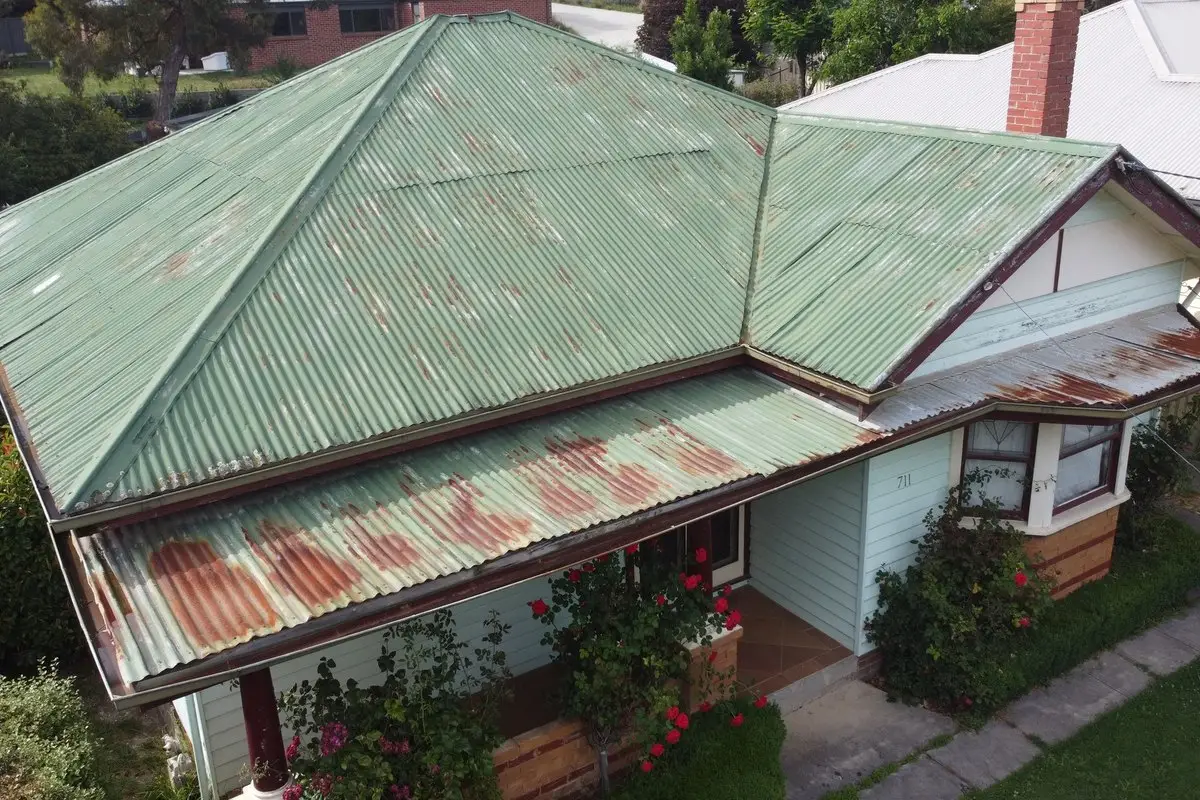
From Failed Detail to Planned Replacement
Reading the Pattern of Failure
Rust, gaps and lifted corners are direct signs, but the pattern of leakage can reveal more. A mark that appears only in wind-driven rain may indicate water entering an exposed lap. Moisture after prolonged rain can instead point to ponding, overflow or saturation around an adjoining component.
Repeated sealant repairs deserve particular attention. They may indicate movement, inadequate cover or a shape that directs water towards rather than away from the junction. The surrounding area is checked for loose roof edges, deteriorated fixings, damaged tiles, debris and drainage restrictions.
Repair, Partial Renewal or Full Replacement
A sound flashing with one accessible defect may be repairable, especially where adjoining materials remain stable. Partial renewal can suit a clearly separated section if a reliable lap into retained material is possible.
The trade-off is between preserving serviceable work and avoiding another short-lived patch. Removal may expose concealed deterioration that could not be confirmed beforehand, while a larger replacement can involve more noise, access and material handling.
Removal and Reinstatement Process
After inspection and agreement on scope, the area is prepared and failed flashing is removed carefully enough to limit avoidable damage to retained roofing. Accessible substrates and adjoining edges can then be checked.
The replacement is shaped and fitted for the junction, using appropriate coverage, laps, fasteners and sealing where relevant to that system. It must discharge onto a sound roof plane or into drainage rather than terminate over another weakness. The work area is cleared after installation, and the completed items can be reviewed against the quote.
Materials, Matching and Preparation
Custom metal flashings, suitable fasteners and compatible sealants may form part of replacement, but selection depends on the existing roof. Contact between dissimilar metals and moisture retention require consideration, particularly where previous additions introduced different components.
Owners can prepare by clearing agreed access, relocating vehicles if requested and identifying pets, gates and delicate areas. Indoor access may assist when tracing stains. Material deliveries and disposal of removed flashing may be necessary, and occupants should expect some work noise.
Request a Flashing Replacement Quote
If corrosion, lifted edges or recurring patches are affecting a roof junction, arrange an inspection. iFix Roofing Geelong can assess the failed detail, discuss whether repair or replacement is appropriate and provide a free quote where available.
Speak with a Geelong Roofer
Call 0448 889 294 to describe the location of the flashing, visible deterioration and when moisture appears. Our South Geelong-based team can use that information to help arrange the appropriate next step for properties across Geelong and surrounding areas.
Flashing Replacement Geelong FAQs
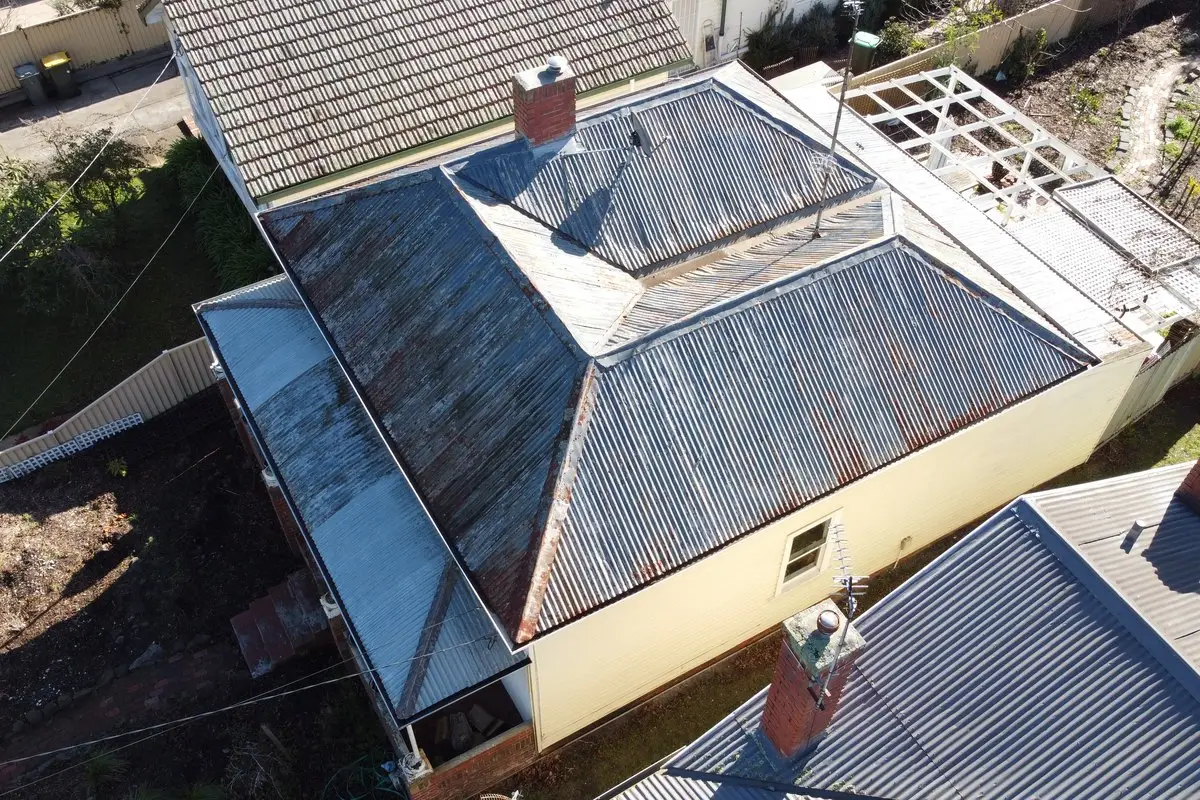
How do I know whether flashing needs replacement rather than repair?
Replacement is more likely when corrosion is extensive, the original fold or overlap is unsuitable, edges repeatedly lift or several patches have failed. A small isolated defect on otherwise sound material may be repairable. Inspection of the flashing and adjoining roof is needed before choosing between those options.
Why did patched flashing start leaking again?
A patch can fail if movement, poor water direction, inadequate cover, corrosion beneath the patch or a nearby defect was not addressed. Sealant also cannot compensate indefinitely for unsuitable geometry. Tracing the entry route and understanding the original failure helps determine whether another repair has a dependable base.
What can be found after old flashing is removed?
Removal may reveal trapped debris, deteriorated fixings, old sealant, corrosion beyond the visible edge or affected material beneath and beside the junction. Not every job uncovers additional damage. If conditions change the proposed scope, they should be explained so you can decide how to proceed.
Can replacement flashing match my existing roof colour?
A compatible and close visual match is pursued where practical, but ageing, fading or discontinued finishes can prevent an exact result. The priority is a material and profile that integrate correctly and shed water. Any likely contrast should be discussed during quoting, particularly on prominent roof areas.
Can you replace flashing before forecast rain?
Availability depends on inspection, access, material preparation, existing bookings and safe weather conditions. No exact attendance or completion time applies to every project. Contact the team promptly if moisture is active so the condition can be assessed and realistic options discussed without compromising roof safety.