
Gutter Replacement
Replace heavily corroded, sagging or inadequate gutter runs with a coordinated system matched to the roof edge, outlets and downpipes.
Gutter Replacement Geelong
Gutter replacement becomes relevant when deterioration is no longer confined to one join or short section. Heavy rust, recurring leaks, sagging runs and poor drainage capacity can make continued patching difficult to justify, especially when brackets, outlets and corners are also nearing the end of their useful life.
iFix Roofing Geelong assesses the full elevation and its roof catchment before removing anything. Replacement planning considers profile, fall, fascia condition, downpipe connections, visible colour and how new guttering will meet retained sections, valleys and roof-edge flashings.
20+ Years
Industry Experience
Fully Licensed
Roofing Team
Insured
Local Professionals
Trusted
Geelong Roofers
When Repeated Repairs Stop Being the Practical Choice
Long rust lines, holes at several points, distorted channels, widespread staining and gutters pulling away from fascia all suggest a system-level problem. Overflow after cleaning may indicate poor fall, limited outlet performance or a run that does not manage the water reaching it.
Failing guttering can direct water behind fascia, into eaves, over walls or onto the ground beside the building. As the metal weakens, brackets and joints carry uneven loads and further movement follows. Repeated local patches can also make future replacement harder without delivering consistent drainage.
The replacement decision should compare the length and integrity of material that could be retained with the disruption of joining new to old. If one elevation is sound, staged work may be possible. Where deterioration, alignment and outlet issues are widespread, a coordinated run generally offers a cleaner water path.
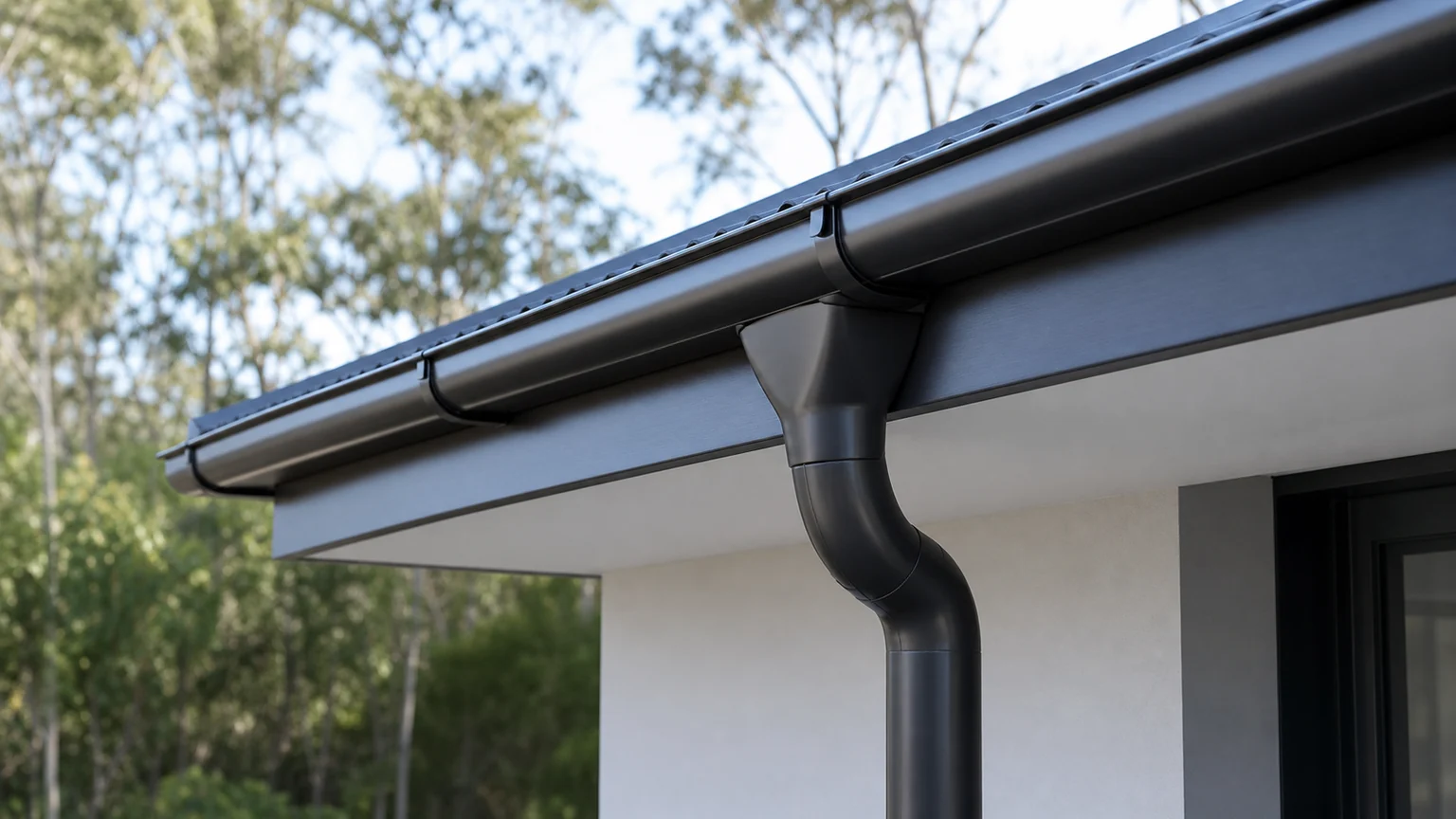
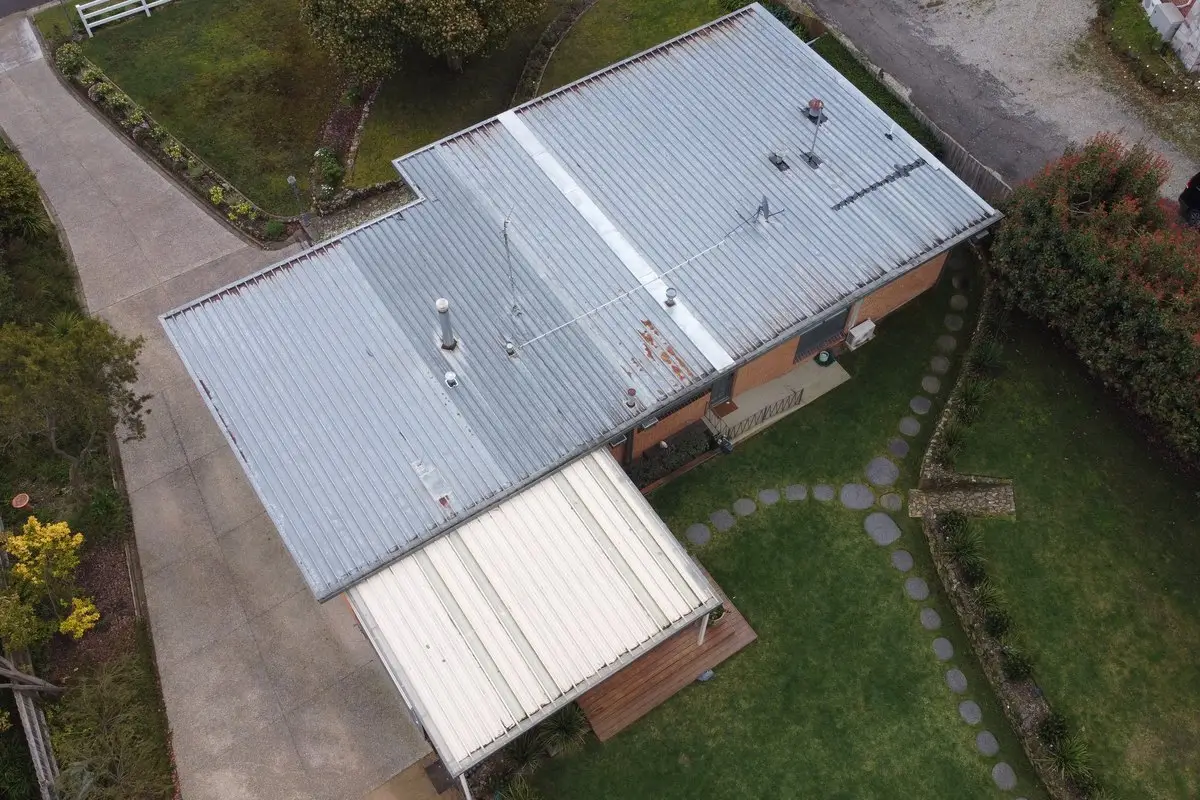
Gutter Systems Planned for Geelong Homes
Geelong’s winter rainfall, wind-driven weather and debris carried by bay winds all test gutters and outlets. Hot dry spells and coastal salt exposure can add to ageing at joints and cut edges. Replacement materials and connections need to suit the roof and nearby metals rather than rely on appearance alone.
Older homes, verandahs and extensions often create several elevations with different catchments or gutter profiles. A replacement quote should account for corners, stop ends, valleys, downpipe positions and access around the property. These details explain why two similar-looking houses may require different scopes.
Why Choose iFix Roofing Geelong
iFix brings more than 20 years of roofing industry experience to the relationship between gutters, fascia, downpipes and roof coverings. The team can identify adjoining defects and avoid specifying a new run without checking the support and discharge points it depends upon.
Based in South Geelong, the fully licensed and insured team may offer free inspections and quotes across Geelong and surrounding areas. Options, retained components, preparation and material compatibility are explained clearly, including when a smaller repair remains a reasonable alternative.
20+ Years of Roofing Experience
Fully Licensed and Insured Team
Full gutter runs and catchments reviewed
Profiles and colours discussed
Fascia support inspected
Outlets and downpipes coordinated
Removal and access planned
Retained sections clearly identified
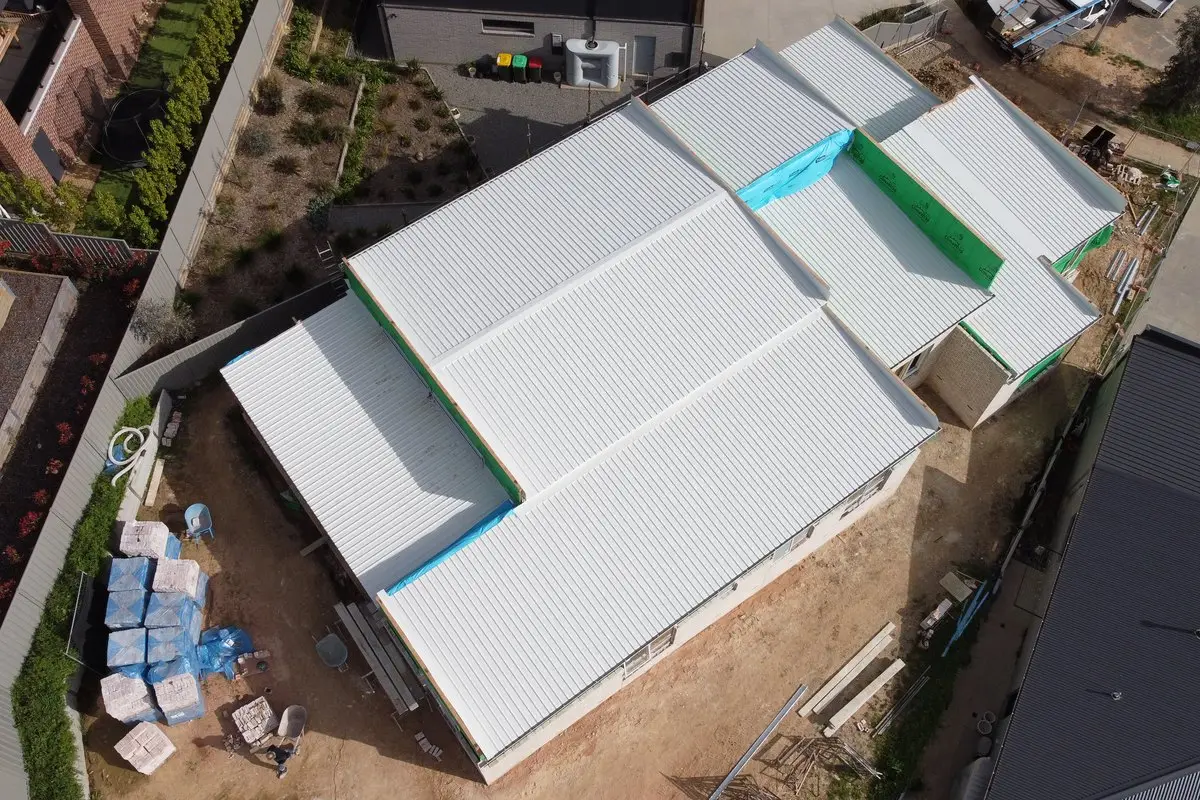
From Old Guttering to a Coherent New Run
Confirm the Replacement Boundary
Inspection maps corrosion, movement, failed joints and low points across each elevation. It also checks whether overflow is caused by blockage or discharge restrictions that should be corrected independently. This prevents sound guttering being removed for a problem elsewhere.
The quote should state which runs, corners, outlets and downpipe connections are included and what remains. Staged replacement can suit a property where deterioration is confined to one side, provided the new-to-old transitions are practical and the retained system still performs. Measurements should also account for stop ends, corner fabrication and the points where concentrated valley water enters the run. Confirming these interfaces before materials are ordered reduces improvised changes at installation and makes the visible extent of new work easier for the owner to understand.
Select Profiles and Compatible Components
Source material identifies options such as Colorbond gutter profiles, quad gutters, fascia gutters, valleys and downpipe connections. Selection depends on the roof edge and existing arrangement; no single profile is automatically right for every tiled or metal roof.
Colour can complement roofing, fascia and downpipes, although weathered surfaces may not match new metal exactly. Compatibility also matters where replacement sections contact Zincalume, Colorbond or older metals. Fixings, sealants and joins are chosen as parts of the same system.
Removal, Alignment and Installation
Old guttering is removed in a planned sequence so the fascia and brackets can be assessed. Any deterioration that affects support is raised before new work proceeds beyond the agreed scope. New runs are then aligned, supported and connected to outlets and corners.
Falls and discharge direction matter as much as straight visual lines. Junctions at valleys, verandahs or changed roof sections are detailed to receive runoff without obvious traps. The completed work is cleaned down and the included components are explained to the owner. Where retained downpipes limit discharge, that constraint should be identified rather than disguised by the appearance of a new gutter.
Access, Disruption and Sensible Timing
Replacement involves lengths of material, removal of old metal and work around the perimeter, so clear driveways and side access are helpful. Move vehicles as requested and advise iFix about gates, pets, landscaping or limited access before the booking.
Weather influences safe handling and open roof-edge work. Timing also depends on measured materials and job extent, so exact duration should be discussed after inspection rather than assumed. Planning before wetter periods can be useful, but active overflow should be assessed when noticed.
Plan a Coordinated Gutter Upgrade
Request a measured inspection and quote covering profiles, runs, outlets, fascia support and retained components. iFix will explain whether full replacement, staged work or a focused repair fits the condition found.
Speak With a Geelong Gutter Roofer
Call 0448 889 294 to discuss widespread rust, sagging gutters or recurring overflow with a local roofer serving Geelong and surrounding areas.
Gutter Replacement Geelong FAQs
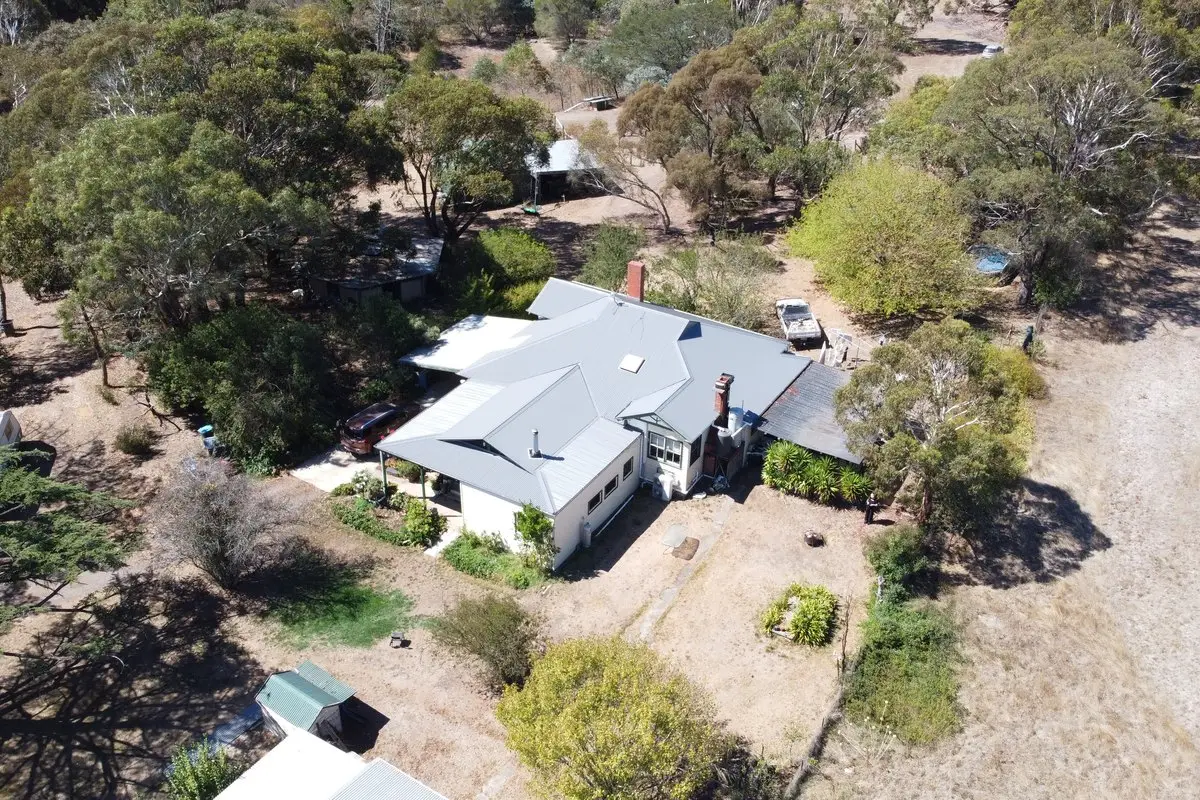
How do I know the whole gutter needs replacement?
Replacement is considered when corrosion, failed joints, sagging or ineffective fall extends across a substantial run. A single soundly repairable defect does not automatically justify full removal. Inspection shows how much material remains serviceable and where sensible transition points exist.
Can I replace gutters on only one side of the house?
Staged replacement may be possible when one elevation is deteriorated and adjoining runs remain sound. Corners, outlets, visible transitions and the movement of water between sections must still work. The quote should define what is retained and how new work terminates.
What gutter profiles are available?
The original service information refers to Colorbond profiles, quad gutters and fascia gutters, along with valleys and downpipe connections. Suitability depends on the roof edge, catchment and existing system. Profile and colour options are discussed after the property is measured.
Are downpipes replaced at the same time?
Not automatically. Existing outlets and downpipe connections are reviewed because new gutters rely on them, but downpipe replacement should be included only where condition or system design warrants it. The scope will distinguish gutter runs from any downpipe work.
What happens if damaged fascia is found?
Gutters require sound support. If deterioration is visible during inspection it can be included in planning; if concealed damage appears after removal, iFix explains the finding before changing the scope. New guttering should not simply be fixed over an unstable roof edge.