
Heritage Roofs
Repair or renew an older character roof with close attention to traditional profiles, sensitive junctions and the building’s accumulated history.
Heritage Roofs Geelong
Heritage and character roofs often contain more than their visible original form. Decades of repairs, extensions, verandahs, changed gutters and added penetrations can create a layered system where one decision affects several adjoining details. iFix Roofing Geelong approaches that history carefully.
The roofing priority is to keep water out and direct it away while respecting the building’s established appearance. Traditional profiles, sympathetic metal details and carefully matched trims may form part of the discussion, but suitability and availability are assessed for the individual property rather than promised in advance.
20+ Years
Industry Experience
Fully Licensed
Roofing Team
Insured
Local Professionals
Trusted
Geelong Roofers
Protecting Character Without Preserving Failed Roof Details
Warning signs include rust, slipped or damaged roof elements, loose edges, repeated staining near chimneys or verandahs, deteriorated ornate trim and overflow around older valleys or gutters. A ceiling mark may indicate water travelling from a junction some distance away.
Repeated patching can obscure the original water path and introduce incompatible materials. Older sealants may trap moisture; later additions may discharge onto a shallow roof; and changed gutters may not meet the established flashing neatly. Preserving a failed arrangement simply because it is old does not protect the building.
Inspection maps the visible roof history, identifies what remains serviceable and considers how a repair or replacement area will meet retained fabric. Owners can then compare a sensitive targeted repair with a broader renewal where deterioration is no longer isolated.
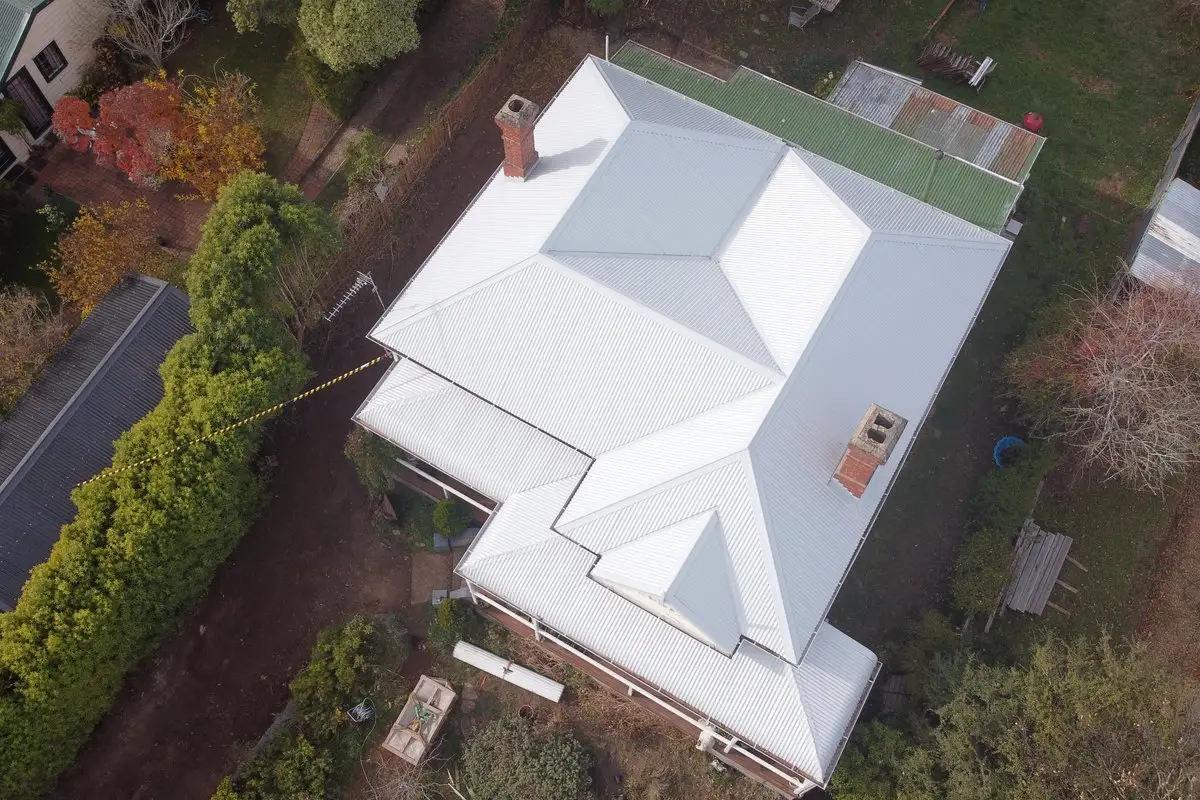
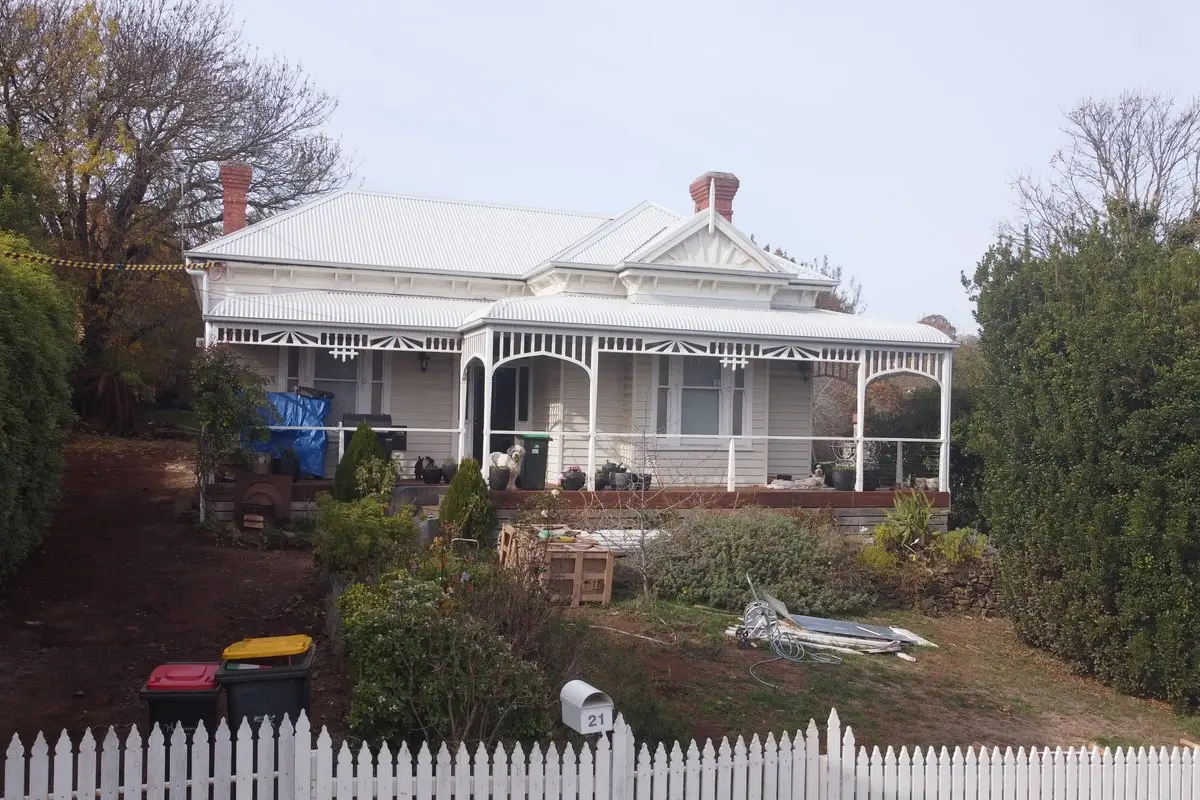
Heritage Roof Care for Geelong’s Older Properties
Older Geelong homes can include steep main roofs, lower verandahs, chimneys, decorative edges and rear additions from different periods. These forms create concentrated water routes and numerous transitions, so a condition assessment should look beyond the most visible street-facing plane.
Bay winds, winter downpours and coastal salt exposure can test aged fasteners, sheet edges and drainage. Work is planned around the property’s actual exposure and access. We avoid fabricated assumptions about heritage status; owners should confirm any project-specific planning requirements through the relevant channels.
Why Choose iFix Roofing Geelong
iFix Roofing Geelong offers more than 20 years of roofing industry experience, with a licensed and insured team based in South Geelong. Our broader roof-plumbing and metal-roofing knowledge helps assess character details together with the water system behind them.
We document practical limits as well as possibilities. An exact old profile or weathered finish may not be available, and concealed deterioration may only appear during careful removal. Clear discussion before and during the work helps owners balance retention, appearance and weather performance. We also consider whether an apparently decorative edge, chimney flashing or verandah transition is directing water, so visual details are not altered without understanding their practical relationship to the roof. Photographs and observations from previous leaks can help connect interior staining with changes in wind direction and rainfall, sharpening the inspection before any historic fabric is disturbed. That context can prevent needless disturbance.
20+ Years of Roofing Experience
Fully Licensed and Insured Team
Character roof details considered carefully
Traditional profiles reviewed where practical
Old and later work assessed together
Chimney and verandah junctions inspected
Retention versus renewal explained
Clear communication on hidden conditions
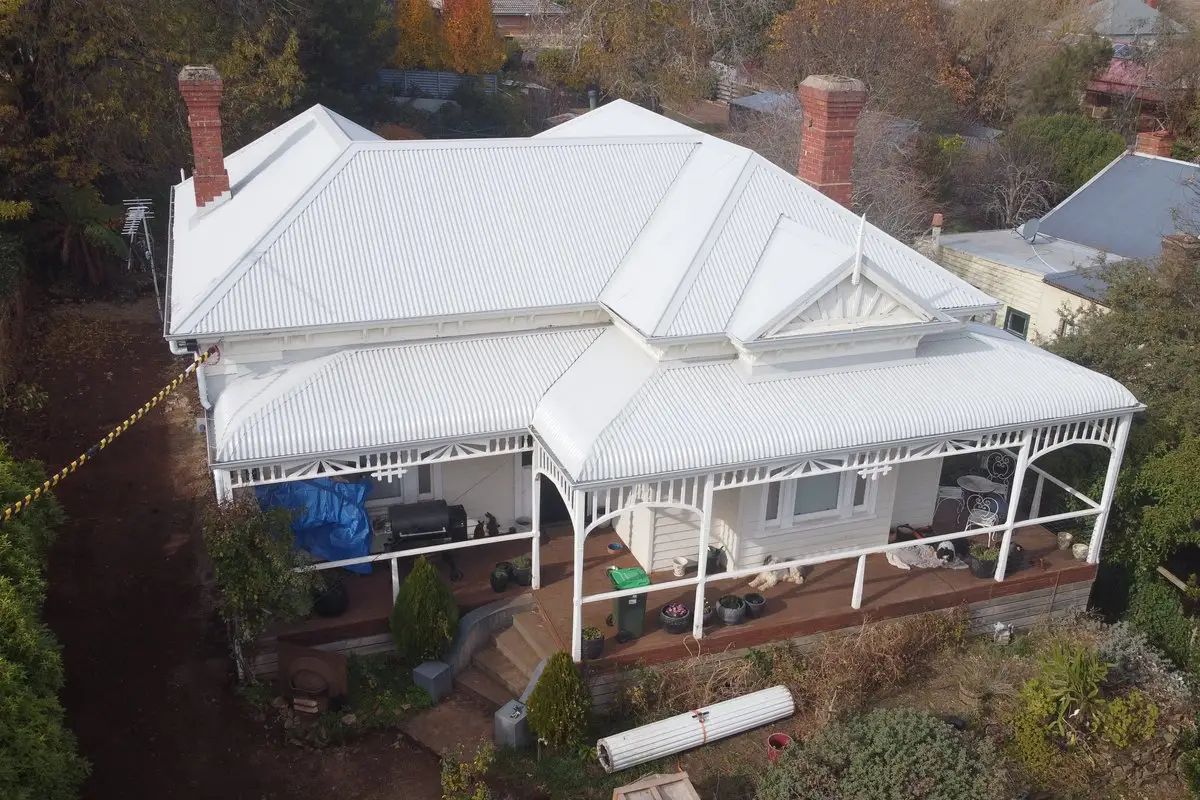
A Sensitive, Evidence-Led Approach to Older Roofs
Read the Building’s Roofing History
Different sheet patterns, fasteners, flashings and gutter lines can reveal where the roof has changed. We inspect main planes and secondary structures, noting where a later addition interrupts the original fall or where a repair has redirected water towards vulnerable trim.
This history guides scope boundaries. A local defect can sometimes be repaired while surrounding fabric is retained. If deterioration follows an entire lap, valley or edge, a larger section may need renewal to avoid attaching sound new work to a failing base.
Match Appearance Without Guesswork
Traditional profiles and sympathetic metal details can help new work sit more quietly on an older building. Matching includes sheet rhythm, ridge and edge treatment, flashings and trims, not just selecting a colour. Existing weathering means a new section may remain visibly different.
We investigate current compatible options and explain realistic limits. Material compatibility and water shedding take precedence over forcing an approximate piece into a critical junction. Any heritage or planning obligations specific to the property remain a matter to verify for the proposed project.
Repair, Renewal and Hidden Fabric
A focused repair may be appropriate for one flashing, damaged section or isolated fixing zone where adjacent material remains useful. Repeated leaks, broad corrosion or several failed transitions can support staged or larger renewal. The recommendation reflects observed condition, not age alone.
Removal on an old roof may uncover decayed support, damaged fascia or previous work hidden below sheets. These cannot always be confirmed without disturbance. If found, their effect on the agreed scope is explained before additional work proceeds.
Plan Access and Protect the Property
Character homes may have narrow side access, established gardens, verandahs and fragile external details. Before work, identify gates, pets, landscaping and areas where materials cannot be placed. Move vehicles when requested and discuss occupied rooms below the active roof area.
The work sequence aims to limit unnecessary disturbance and manage removed materials responsibly. Noise, delivery and weather constraints are outlined in advance. Safe roof access and suitable conditions remain essential, even when a leak or appearance concern feels urgent.
Arrange a Thoughtful Heritage Roof Assessment
Book an inspection to understand the roof’s condition, later alterations, sensitive junctions and realistic options for retaining or renewing character details.
Talk with a South Geelong Roofer
Call 0448 889 294 to discuss an older home, verandah, chimney junction or character roof across Geelong and surrounding areas.
Heritage Roofs Geelong FAQs
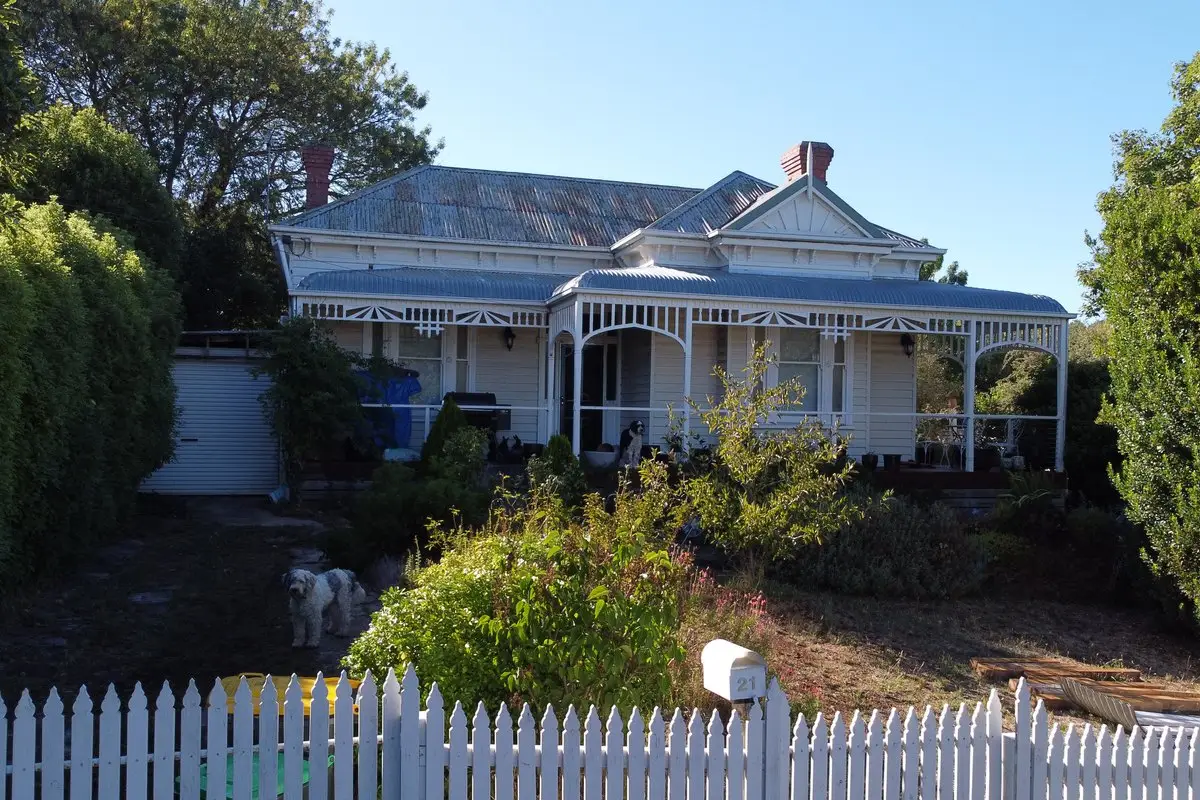
Can an old roof be repaired without losing its character?
Often a sound local area can be retained while a compatible repair addresses the defect. The decision depends on deterioration, available profiles and how the new detail meets old material. An inspection is needed before promising that every visible element can remain unchanged.
Can you guarantee an exact match to old roofing?
No exact match should be assumed. Older profiles, finishes and trims may no longer be available, and weathering changes appearance. We seek a practical, sympathetic result where possible while prioritising compatibility and a reliable water path.
Does a heritage roof always need full replacement?
No. Age by itself does not decide the scope. An isolated flashing or sheet defect may support targeted work, while widespread corrosion, repeated leakage and several failing junctions may make broader renewal more sensible. Condition and integration guide the discussion.
What can be hidden beneath old roof sheets?
Possible concealed issues include worn supports, damaged fascia, old sealants, debris, past patching and deterioration around valleys or flashings. Their presence and extent cannot always be confirmed before removal, so any newly exposed issue is explained before scope changes.
Do heritage requirements apply to my property?
Requirements depend on the individual property and proposed work. We do not assume heritage controls from a building’s appearance or promise regulatory outcomes. Owners should verify relevant planning or approval obligations through the appropriate project channels before work that may require them.