
Re Roofs
Replace an ageing or repeatedly failing roof with a carefully planned roofing system suited to your existing Geelong property.
Re Roofs Geelong
Re-roofing gives an existing property a new roof covering when age, corrosion, widespread wear or repeated leaks have made ongoing patching a poor long-term choice. iFix Roofing Geelong assesses the whole roof rather than treating only the latest visible symptom, helping owners understand what should be removed, what can remain and how the replacement will connect with the building below.
A successful re-roof is more than swapping old sheets or tiles for a tidy new surface. Flashings, valleys, ridges, gutters, penetrations, fixings, insulation and drainage paths all need to work together. The scope should reflect the roof’s pitch, exposure, access and existing junctions so water is directed away reliably and the finished roof sits appropriately on the established structure.
20+ Years
Industry Experience
Fully Licensed
Roofing Team
Insured
Local Professionals
Trusted
Geelong Roofers
When an Existing Roof Has Reached the Replacement Point
Warning signs can include broad areas of rust, loose or noisy sheets, cracked or displaced roofing, recurring ceiling stains, bubbling paint, damp smells and leaks that return after earlier repairs. Overflowing valleys or gutters, deteriorated fixings, lifted edges and ageing sealants can also indicate that several parts of the system are no longer performing together.
Leaving widespread deterioration unresolved can allow water to reach insulation, plaster and timber. The entry point may not sit directly above an internal stain: wind-driven rain can enter around a flashing or lap, travel along a batten and appear metres away. Repeated isolated repairs may therefore cost time without addressing the condition of the surrounding roof.
An inspection helps separate a localised defect from a roof-wide problem. If most of the covering remains sound, a targeted repair may still be sensible. Re-roofing becomes more relevant when defects are extensive, compatible repairs are difficult, or multiple ageing details are likely to keep failing. The recommendation should explain condition, practical options and disruption before you decide.
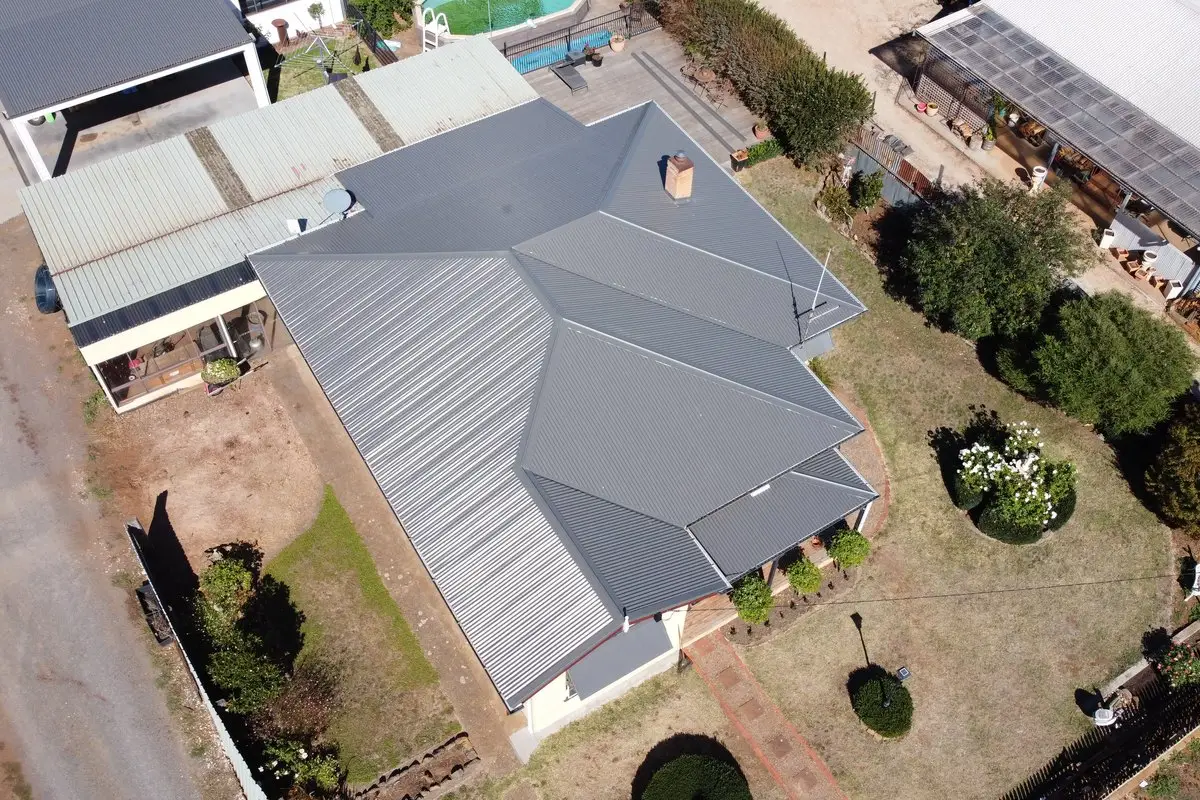
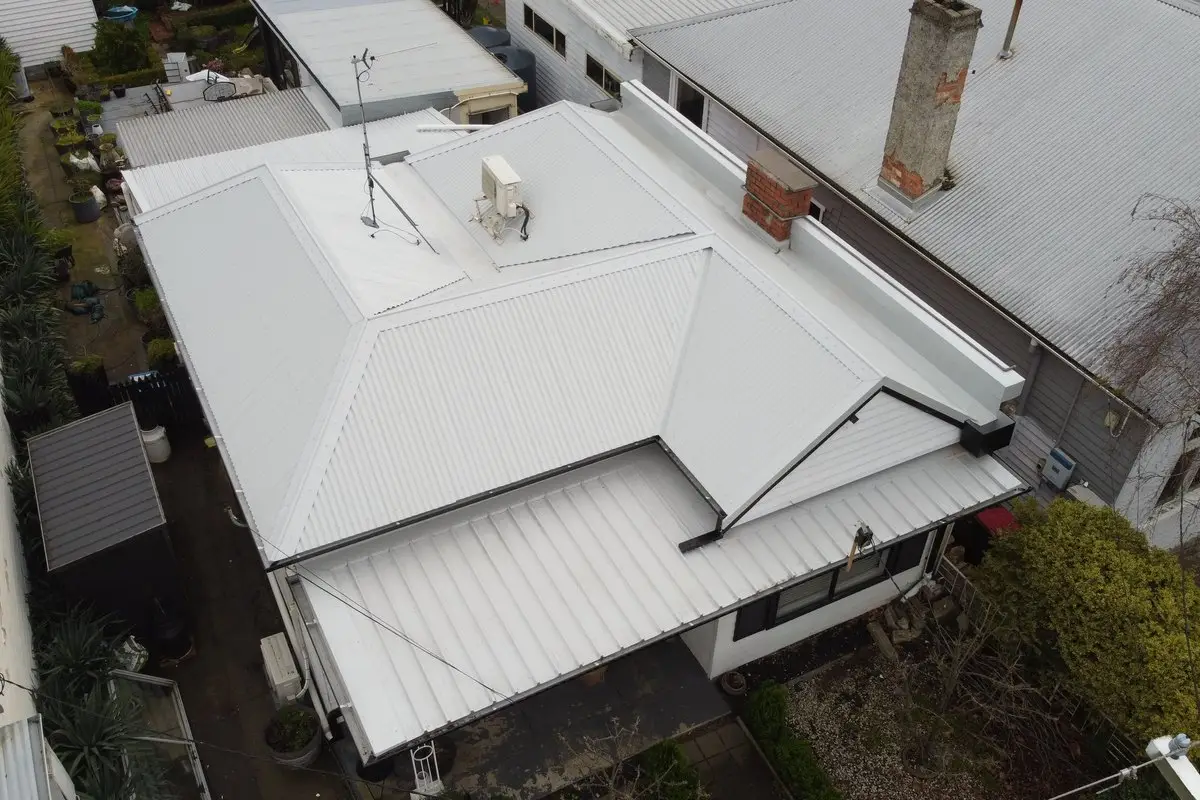
Re-Roofing for Established Geelong Properties
Geelong roofs can experience hot dry periods, winter rain, sudden cold fronts and winds carrying rain across roof joints. Properties nearer the bay or coast may also face salt-laden air and greater exposure around edges, fasteners and drainage points. These factors do not dictate one material for every home, but they should inform the inspection and replacement details.
Established properties vary from simple roof forms to homes altered through extensions, verandahs, skylights, chimneys or solar work. Each junction changes how water moves and how the old covering can be removed. Planning must also consider driveway access, neighbouring areas, material delivery and safe management of waste without assuming the building matches a standard drawing.
Why Choose iFix Roofing Geelong
iFix Roofing Geelong brings more than 20 years of roofing industry experience to the decision between repair and re-roofing. The fully licensed and insured team examines roofing and roof-plumbing details together, with attention to water paths, material compatibility, penetrations and the condition revealed around existing work.
Based in South Geelong and servicing Geelong and surrounding areas, the team provides practical explanations rather than a one-size-fits-all answer. A free inspection or quote may be arranged so you can discuss the likely scope, available roof options, property preparation and factors that could affect scheduling before committing to replacement.
20+ Years of Roofing Experience
Fully Licensed and Insured Team
Whole-Roof Condition Assessment
Clear Repair-or-Replacement Advice
Compatible Roofing and Flashing Details
Planned Removal of Existing Materials
Integrated Drainage Consideration
Practical Property Preparation Guidance
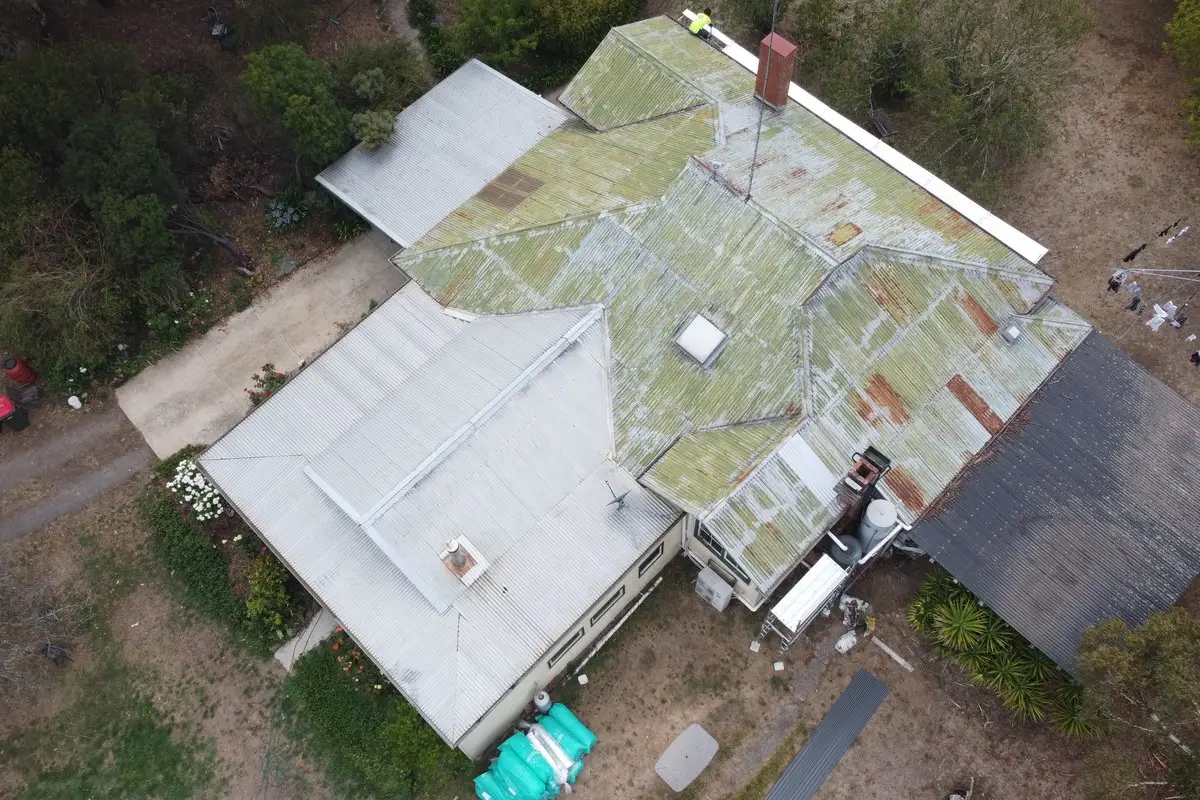
Planning a Re-Roof from Inspection to Completion
Repair, Restore or Re-Roof?
A single leak does not automatically require a complete re-roof. A sound roof with one damaged flashing, sheet or valley may be suitable for targeted work. The decision changes when corrosion, movement, broken components or failed fixings appear across several areas, particularly where earlier patches continue to break down.
The inspection should compare the useful condition of the main covering with the surrounding drainage and junctions. It should also consider whether replacement products can integrate properly with older profiles. Re-roofing is a broader investment and causes more disruption, but it can be the clearer option when piecemeal work would leave multiple known weak points behind.
What the Re-Roof Scope Includes
The scope begins with the existing roof form: its pitch, edges, valleys, ridges, penetrations and connections to additions. Roofing material is then considered alongside flashings, cappings, fixings, gutters and other components that influence weather protection. Any exact inclusions should be recorded in the quote rather than assumed.
For metal roofing, profile, fastener and component compatibility matter, as does the risk of combining unsuitable metals. Depending on the property and agreed design, options may include steel roofing and associated roof-plumbing details. Colour and appearance are important, but correct support, laps, falls and water direction are fundamental to performance.
Removal and Installation Sequence
Before work starts, the team confirms access, delivery areas and how removed material will leave the site. The old covering is taken off in a planned sequence so the exposed area can be managed sensibly. Conditions beneath old roofing may only become fully visible during removal, so any newly identified issue should be explained before the scope changes.
New roofing and associated details are installed in an order that preserves continuous water paths. Flashings, penetrations, ridges and roof edges receive particular attention because small junction errors can undermine a large new surface. Weather affects safe roofing work, so scheduling needs practical flexibility rather than a promise of an exact completion time.
Preparing an Occupied Property
Re-roofing an existing home involves noise, movement overhead, deliveries and waste handling. Owners can help by moving vehicles as requested, clearing suitable access and identifying pets, gates, fragile landscaping or restricted areas. Items affected by vibration may also need to be secured before removal begins.
Extensions, solar equipment, skylights and chimneys should be discussed early because they can change the sequence and detailing. Ask what is included around insulation, gutters or other adjoining components instead of presuming they are automatically replaced. Clear preparation reduces surprises while keeping the focus on the agreed roofing outcome.
Find Out Whether Re-Roofing Is the Right Step
Arrange an inspection of the existing covering, junctions and drainage so you can compare targeted repairs with a properly scoped re-roof.
Discuss Your Existing Roof with a Local Roofer
Speak with the South Geelong team about recurring leaks, widespread ageing, roof access and the practical choices for your property.
Re Roofs Geelong FAQs
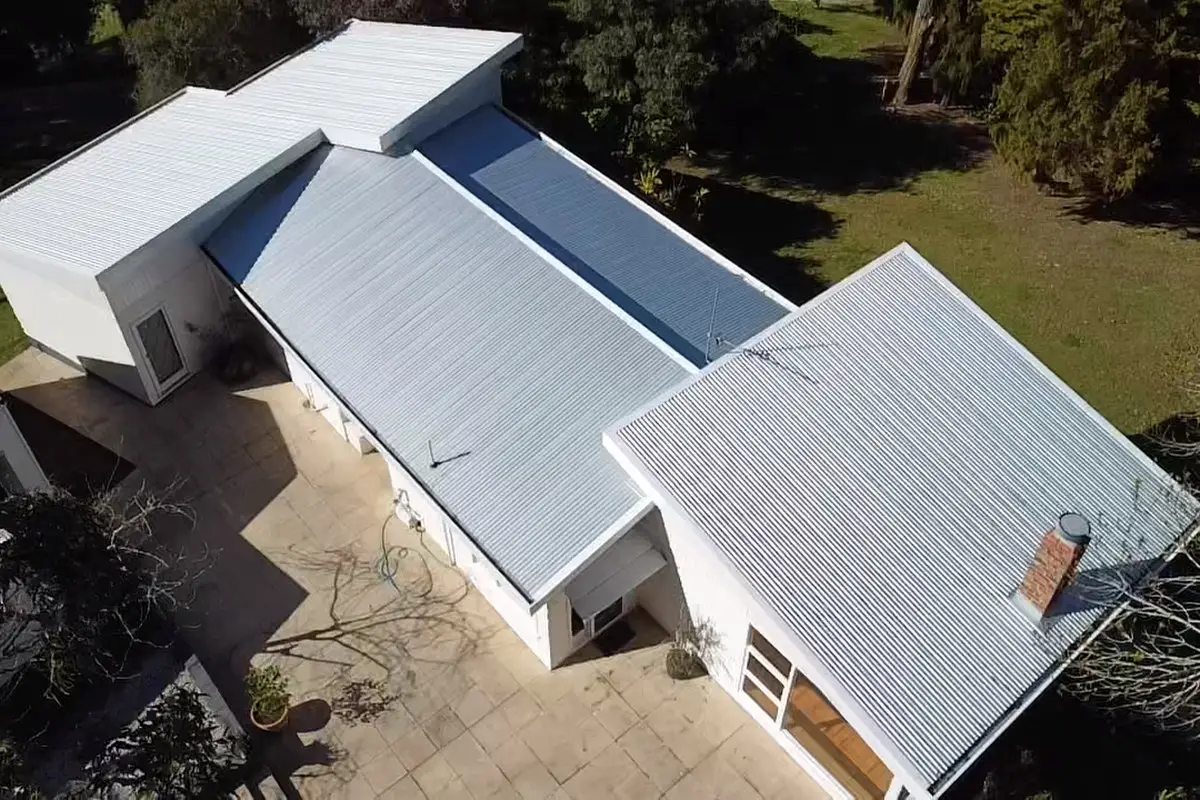
How do I know whether to repair or re-roof?
A repair may suit an isolated fault where the remaining roof is sound. Re-roofing is more likely to make sense when deterioration is widespread, leaks keep returning, several details are failing or compatible repairs would leave too much ageing material in place. An inspection provides the evidence needed to compare those paths.
Can a re-roof change the roofing material?
Different material options may be considered, but suitability depends on the property, roof form, support, pitch and connected drainage details. The implications should be assessed rather than treating a change as a simple surface swap. The quote should clearly identify the proposed material and associated components.
What happens if hidden deterioration is found?
Removing old roofing can reveal conditions that were not visible during the initial inspection. If that occurs, the finding and its effect on the proposed work should be explained before the scope is altered. This gives you a clear basis for deciding how to proceed.
Will I need to leave the property during re-roofing?
That depends on the property and planned work. Re-roofing creates noise and activity overhead, but access and disruption differ between projects. Discuss occupants, pets, home-working arrangements and any sensitive areas during planning so practical preparation can be agreed.
How long will a re-roof take?
Timing varies with roof size and complexity, access, weather, material availability and what is found after removal. Rather than relying on a generic duration, ask for the anticipated sequence and factors that may change it when your specific roof has been assessed.