
Metal Roof Leaks
Trace leaks through metal sheets, fixings, laps and flashings using weather evidence and a roof-system inspection instead of repeated guesswork.
Metal Roof Leaks Geelong
Metal roof leaks can be deceptive. The water stain inside may sit well away from the opening because water follows the underside of a sheet, batten, framing or insulation before it drops. A dry-day patch directly above the mark can therefore miss the source entirely.
iFix Roofing Geelong combines the homeowner’s observations with inspection of sheets, laps, fasteners, flashings, penetrations, valleys and drainage. The purpose is to reproduce the logic of the leak, identify the entry mechanism and select a repair that suits the existing profile and surrounding metal.
20+ Years
Industry Experience
Fully Licensed
Roofing Team
Insured
Local Professionals
Trusted
Geelong Roofers
The Leak Often Appears Only Under Particular Weather
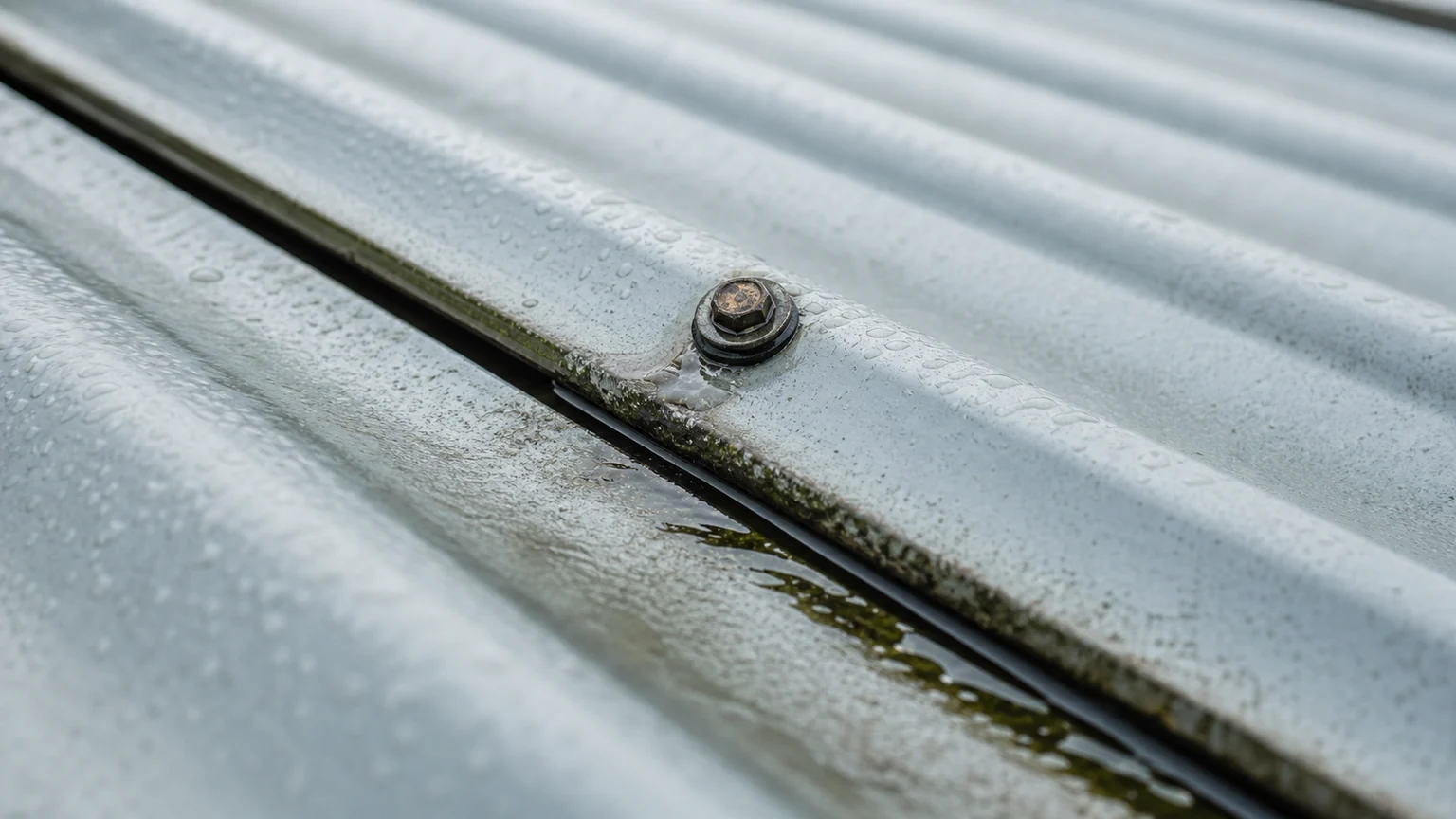
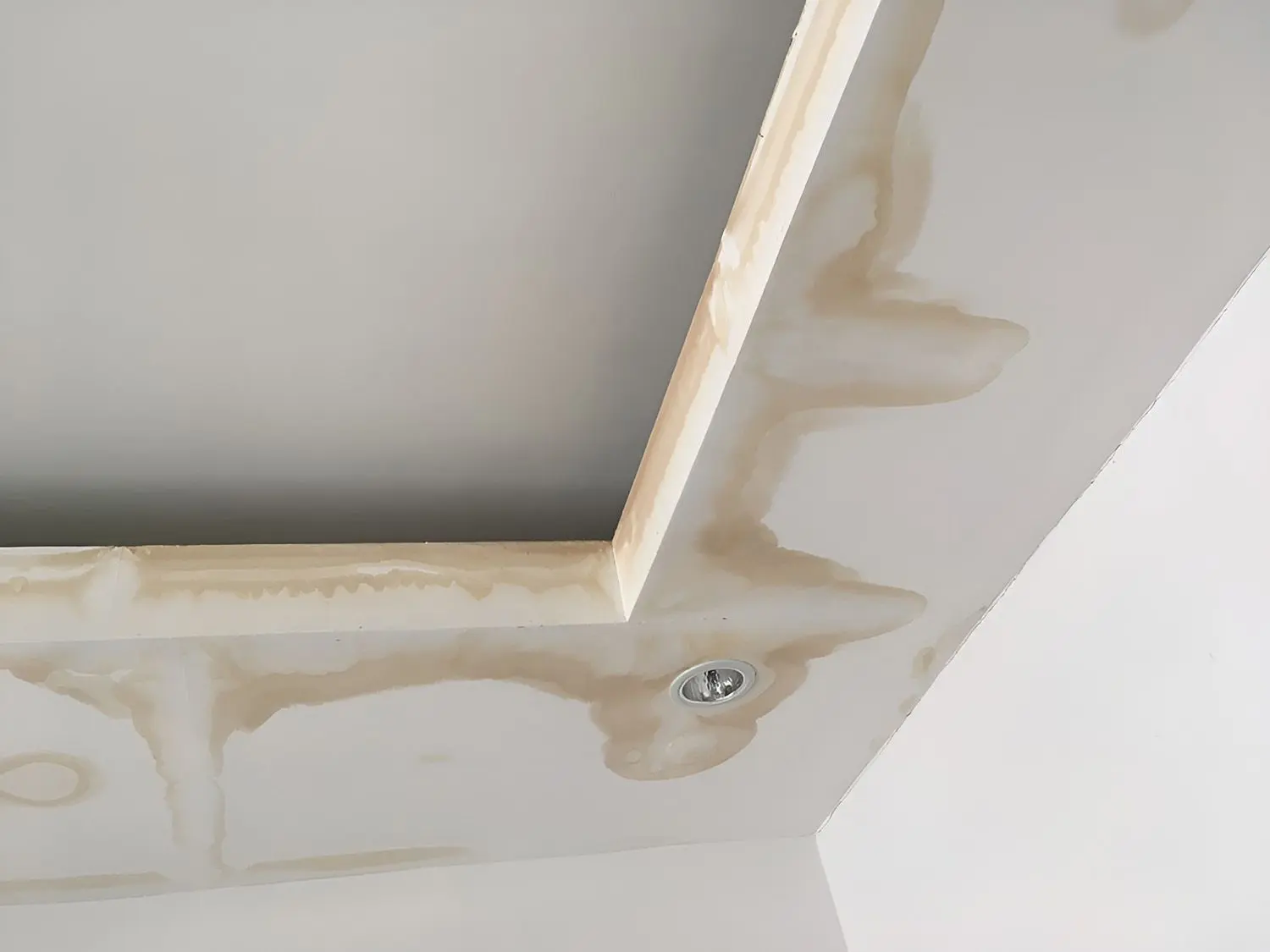
Brown ceiling marks, drips during wind-driven rain, damp insulation smells and bubbling paint are obvious clues. On the roof, loose fixings, cracked sealant, rust, lifted laps and poorly detailed penetrations may be relevant. Note whether the leak follows a certain wind direction or long, heavy rain.
Continuing entry can wet plaster, insulation and timber, encourage mould marks and expand corrosion around hidden metal edges. Repeated surface sealing may divert water or hide evidence without resolving movement, poor overlap, failed support or drainage that forces water towards the opening.
Leak diagnosis compares the symptom with roof geometry and weather. An isolated fastener or flashing failure may support a focused repair. If several laps, sheets or junctions have deteriorated, replacing a component or wider area may be more reliable than adding another sealant layer.
Tracing Wind-Driven Leaks in Geelong
Geelong’s bay winds and sudden wet fronts can force rain towards laps and flashings from angles that calm rain does not expose. Temperature changes through hot spells and cold fronts also move metal sheets and old sealants. Leaks may therefore be intermittent even when the defect remains.
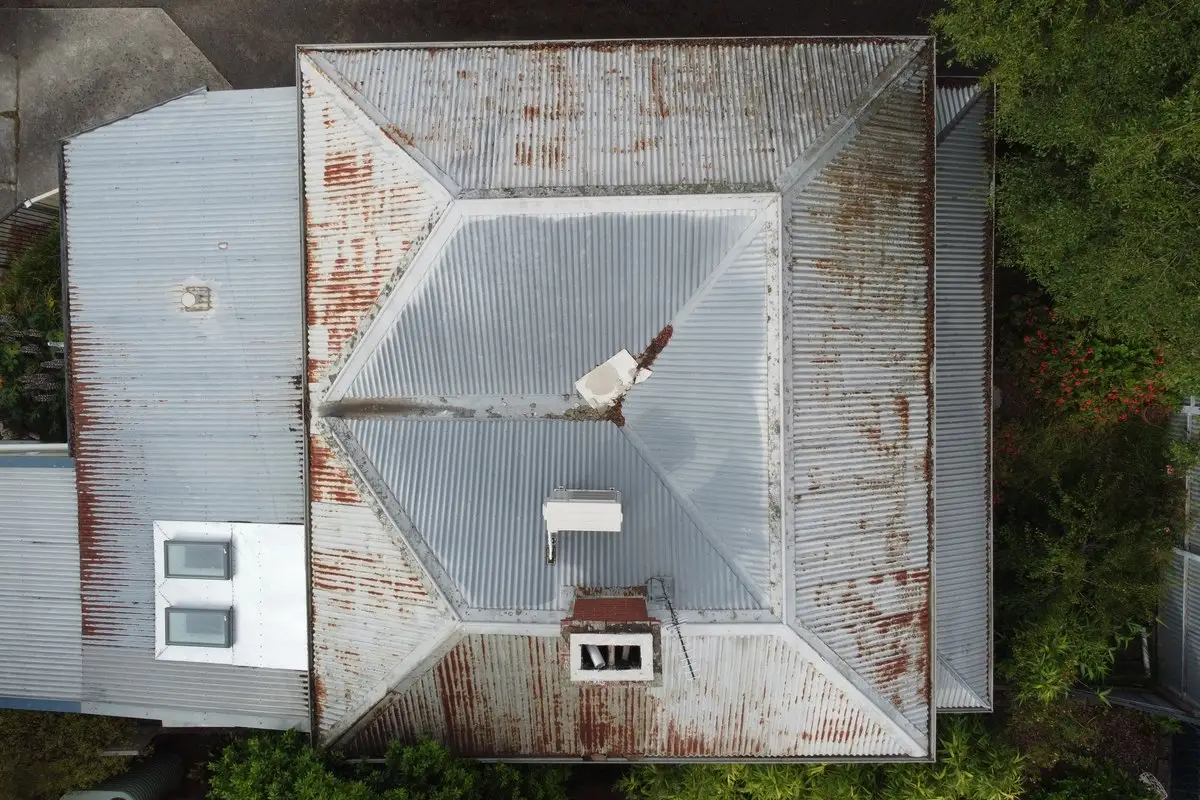
Low-pitched roofs, verandah junctions, chimneys, skylights, valleys, solar penetrations and additions from different periods create complex water paths. Nearer coastal areas, salt exposure may also affect fixings and cut edges. Diagnosis must account for the roof’s particular layout, profile and exposure.
Why Choose iFix Roofing Geelong
iFix brings more than 20 years of roofing industry experience to metal roof leak tracing, with related knowledge of roof plumbing, flashings and drainage. This helps the team look beyond the indoor mark and assess the components that can deliver water to it.
The South Geelong team is fully licensed and insured and may offer free inspections and quotes. Findings are translated into a defined repair proposal, with profile compatibility, likely limitations and any replacement option explained before work rather than hidden behind a promise that every leak has one quick fix.
20+ Years of Roofing Experience
Fully Licensed and Insured Team
Weather pattern considered
Metal laps and fixings inspected
Flashings and penetrations reviewed
Drainage influences checked
Compatible leak repair materials
Clear repair scope and limits
Following the Water Before Sealing the Opening
Create a Useful Leak History
Write down when dripping starts, how long rain has fallen and which direction the wind appears to come from. Photograph stains safely and mark their edge to track growth. Mention recent roof, solar, skylight or plumbing work because a changed penetration or junction may be relevant.
This record helps prioritise likely paths during a dry inspection. A leak that appears only in driven rain suggests different details from one that begins after prolonged saturation or gutter overflow. No single clue proves the cause, but together they narrow the search.
Inspect Entry Points and Travel Paths
The investigation reviews fasteners and washers, sheet laps, ridge and apron flashings, penetrations, rusted areas, valleys and nearby drainage. It also considers where water could travel beneath the metal before becoming visible. The point above the stain is checked without being assumed guilty.
Old sealant can reveal where previous attempts focused, but more sealant is not automatically the answer. Movement, unsupported edges, poor overlap, incompatible metals or water backing up from debris may need a component-level correction instead.
Repair the Mechanism, Not the Mark
Depending on findings, materials may include replacement screws, flashings, sheet sections and suitable sealants. The original source also refers to water-tested repairs; any checking must be appropriate to the roof and site. Profile compatibility and sound fixing material are essential.
A focused repair is preferred when the defect and surrounding metal provide a clear boundary. Wider sheet or flashing replacement may be recommended when corrosion, distortion or previous patching prevents a dependable connection. The quote should say which scenario applies and identify any nearby weathered detail observed but excluded from the proposed work, so future maintenance priorities remain visible to the owner.
Manage Expectations and Safe Access
Intermittent leaks can be challenging because the exact weather may not occur during inspection. The assessment still uses physical evidence and the reported pattern, but honest advice avoids guaranteeing a diagnosis before conditions and hidden details are understood.
Do not climb onto a wet metal roof. Clear property access, move vehicles if requested and identify pets, gates or fragile landscaping. Weather may delay safe work, and concealed deterioration exposed during repair is discussed before any scope change.
Stop Guessing at the Source
Request a metal roof leak inspection and share photos, rain timing and any earlier repair history. iFix can assess the likely entry mechanism and provide a defined quote.
Talk Through the Rain Pattern
Call 0448 889 294 to explain when the leak appears and where the stain develops. A local Geelong roofer can advise what information will help the inspection.
Metal Roof Leaks Geelong FAQs
Why does my metal roof leak only in windy rain?
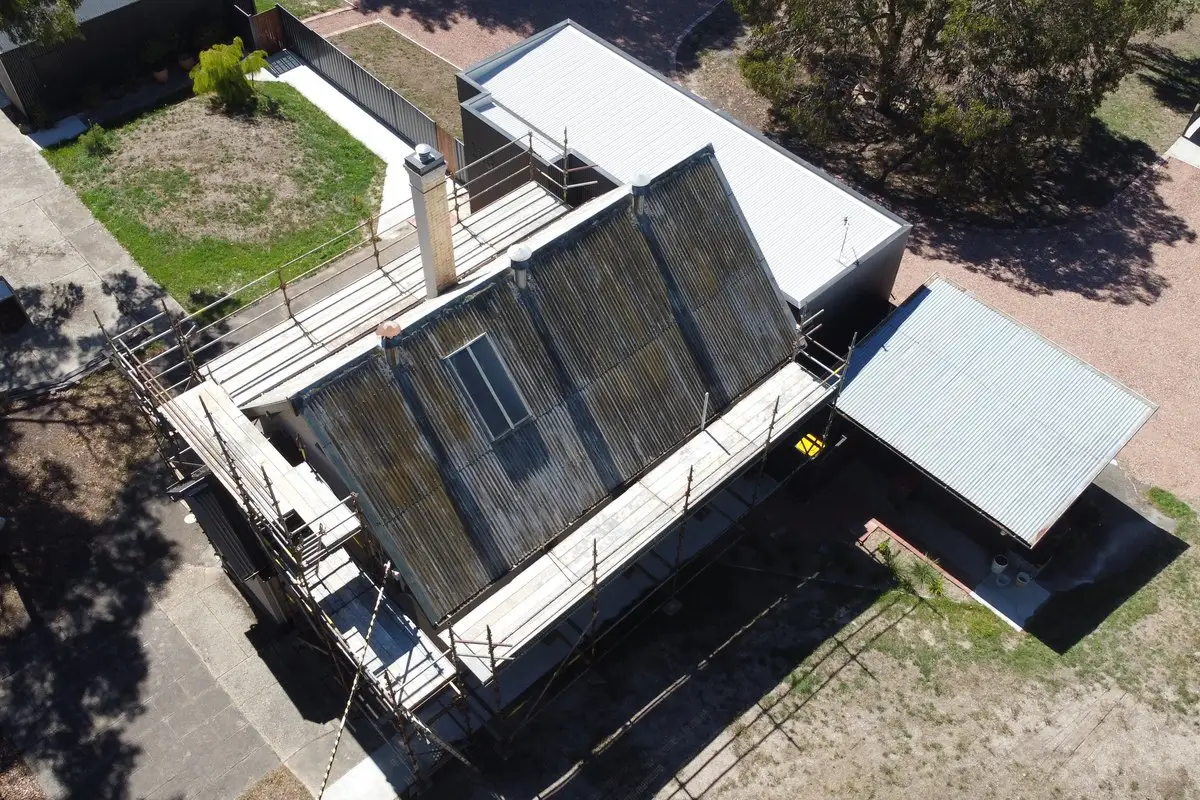
Wind can drive rain towards side laps, lifted edges and flashings from an angle that vertical rainfall does not reach. The direction and timing are useful diagnostic clues. Inspection still needs to check the surrounding geometry, fixings and drainage before identifying a repair.
Is the leak directly above the ceiling stain?
Not necessarily. Water can run along the underside of metal, framing, battens or insulation before dropping. The indoor mark identifies the affected area, but roof penetrations, laps and flashings uphill or to the side may be the actual entry point.
Can failed roof screws cause leaks?
Yes. Deteriorated washers, loose fasteners, enlarged holes or incorrect fixing can admit water, but the condition of the sheet and support also matters. Simply tightening every screw may distort components or overlook movement elsewhere, so the pattern should be assessed.
Will sealant fix a metal roof leak?
Suitable sealant may form part of a correctly detailed repair, particularly around compatible junctions. It is not a substitute for sound sheets, support, laps and flashings. Repeated sealant over moving or corroded material often obscures the mechanism without restoring it.
What if the leak cannot be seen on a dry day?
Many leaks are intermittent. Photos, stain progression, rain duration and wind direction help interpret physical signs left on the roof. iFix can inspect likely paths and explain any uncertainty, then recommend proportionate repair or further assessment rather than claiming a source without evidence.