
Flashing Installation
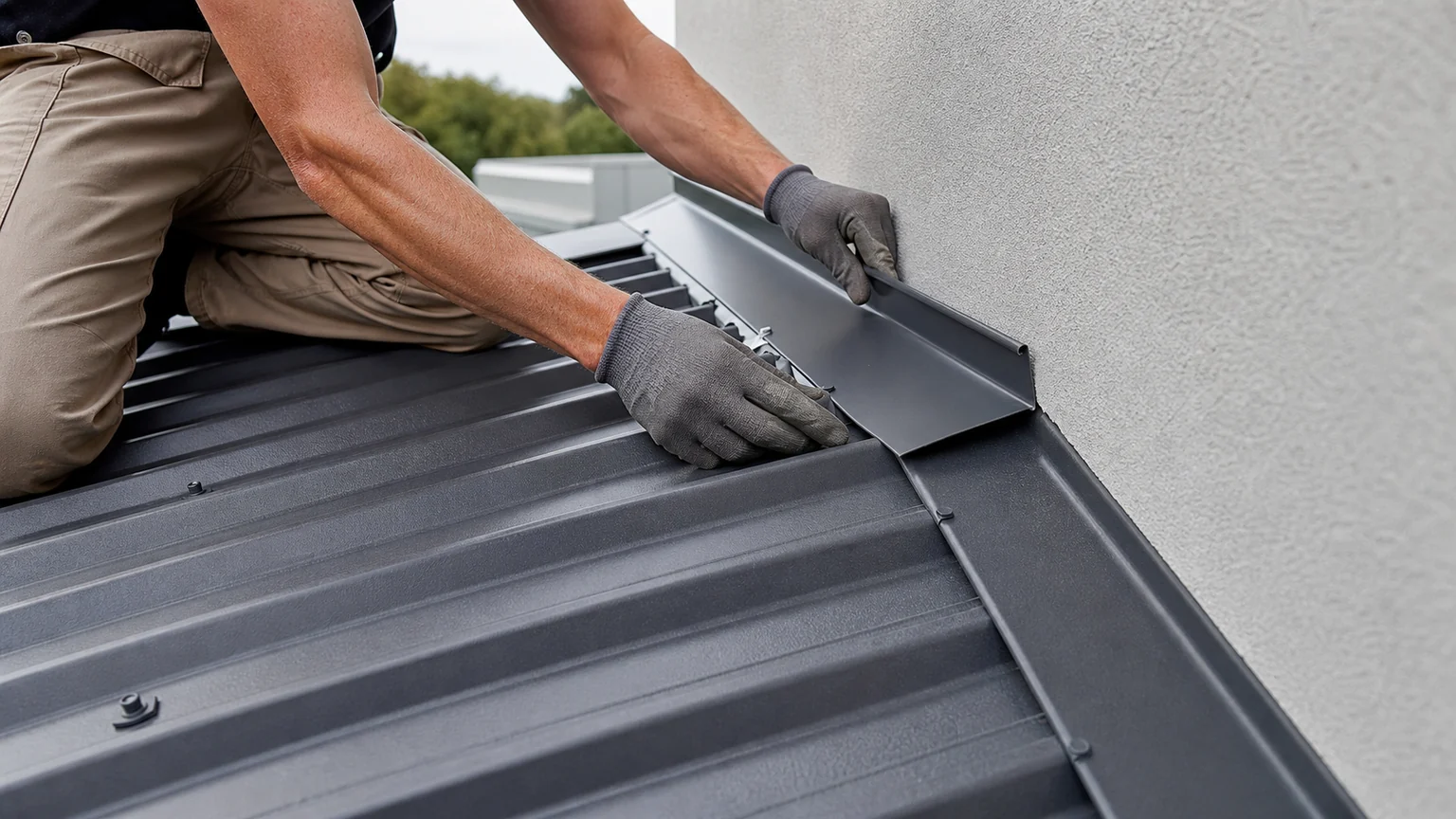
Purpose-made flashing installation protects roof junctions and penetrations by directing rainwater safely onto the roof and into the drainage system.
Flashing Installation Geelong
Flashing is the shaped material that closes vulnerable transitions in a roof: where a roof meets a wall, chimney, parapet, skylight or another change in plane. Correct installation gives water a deliberate path over the roof covering rather than allowing it to reach battens, insulation, plaster or framing. iFix Roofing Geelong installs flashing as part of new work, additions and upgrades to roof details that were never properly protected.
A flashing detail must suit the actual roof, not simply cover a visible gap. The roof pitch, sheet profile or tile layout, expected water flow, adjoining materials and movement at the junction all affect its shape and placement. Our approach starts with those conditions so the finished detail integrates with the roof and drainage around it. Free inspections and quotes may be available for properties in Geelong and surrounding areas.
20+ Years
Industry Experience
Fully Licensed
Roofing Team
Insured
Local Professionals
Trusted
Geelong Roofers
Where New Flashing Prevents Water Entry
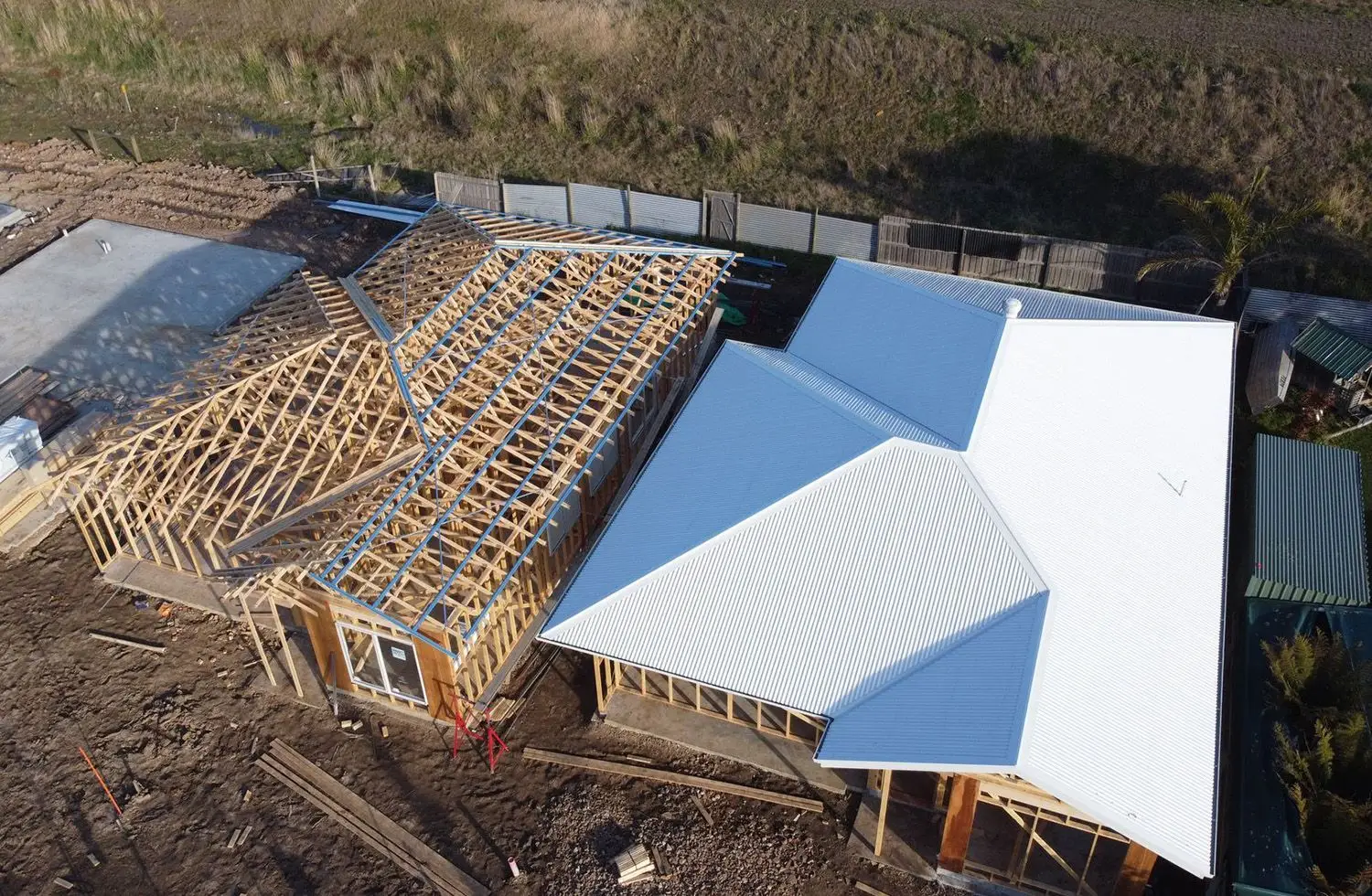
New flashing is commonly required around extensions, chimneys, skylights, parapets and wall-to-roof junctions. These are places where the regular pattern of sheets or tiles is interrupted. Without an appropriate apron, side flashing, soaker or custom-folded detail, wind-driven rain can move beneath edges and laps that appear covered when viewed from the ground.
Early warning signs can include a ceiling mark after rain from one direction, dampness near an external wall, discoloured cornices, bubbling paint or moisture around a penetration. The visible mark may sit away from the entry point because water can follow a batten or framing member before appearing indoors. Leaving the opening unresolved can affect insulation, plaster and timber, while repeated surface sealant may conceal rather than correct the water path.
An inspection needs to distinguish missing or unsuitable flashing from faults in nearby roofing, valleys, gutters, fixings or sealant. It also needs to consider whether the proposed detail can drain freely and whether adjoining components remain sound. When the roof is otherwise serviceable, a targeted installation may be appropriate; where several connected details are deteriorated, the quote should clearly identify the broader work for an informed decision.
Flashing Details for Geelong Roofs
Geelong roofs experience hot dry periods, cold fronts, winter rain and winds that can push water towards otherwise sheltered junctions. Properties nearer the bay or coast may also face greater salt exposure. Those conditions make secure edges, appropriate overlaps and a clear discharge path important; the flashing must work when rain arrives with wind, not only during a gentle vertical shower.
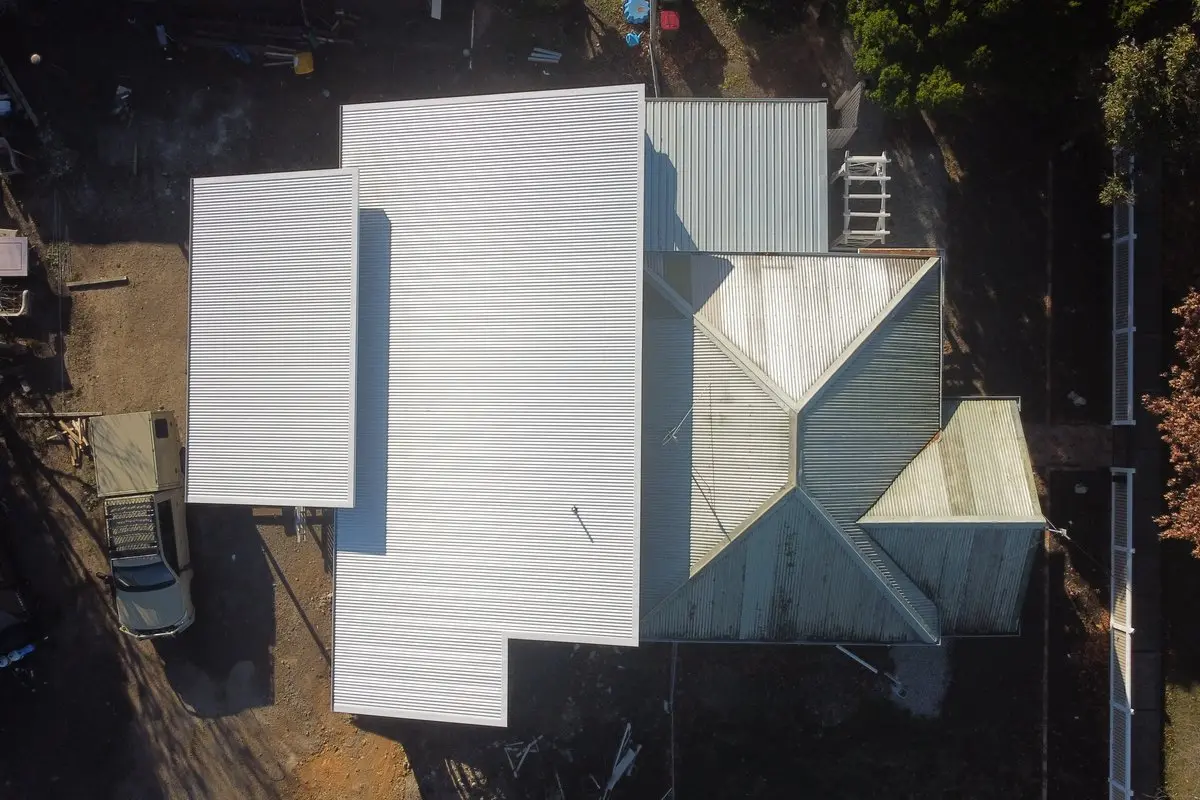
The local housing mix includes tiled and metal roofs, low-pitched additions, verandahs and buildings altered over different periods. An added room or skylight can change how water reaches an older roof plane, while a new metal component must be considered alongside existing materials. We assess the roof that is present, its access and its drainage rather than assuming one standard fold will suit every Geelong property.
Why Choose iFix Roofing Geelong
Flashing installation depends on understanding roof plumbing as well as careful fitting. iFix Roofing Geelong considers where water originates, the volume that may reach the junction, the correct direction of laps and how the new component meets tiles, sheets, walls and gutters. This system view helps avoid a neat-looking cover that traps water or transfers the problem to another point.
Our South Geelong-based team brings more than 20 years of roofing industry experience and is fully licensed and insured. We explain what the inspection indicates, whether isolated flashing work is suitable and what preparation is involved. Property owners can compare a defined scope without unsupported promises about timing or a one-size-fits-all material recommendation.
20+ Years of Roofing Experience
Fully Licensed and Insured Team
Purpose-Made Junction Detailing
Assessment of Roof and Water Paths
Compatible Component Selection
Clear Installation Scope
Options for Tile and Metal Roofs
South Geelong-Based Local Service
Planning a Reliable Flashing Installation
Suitable Projects and Warning Clues
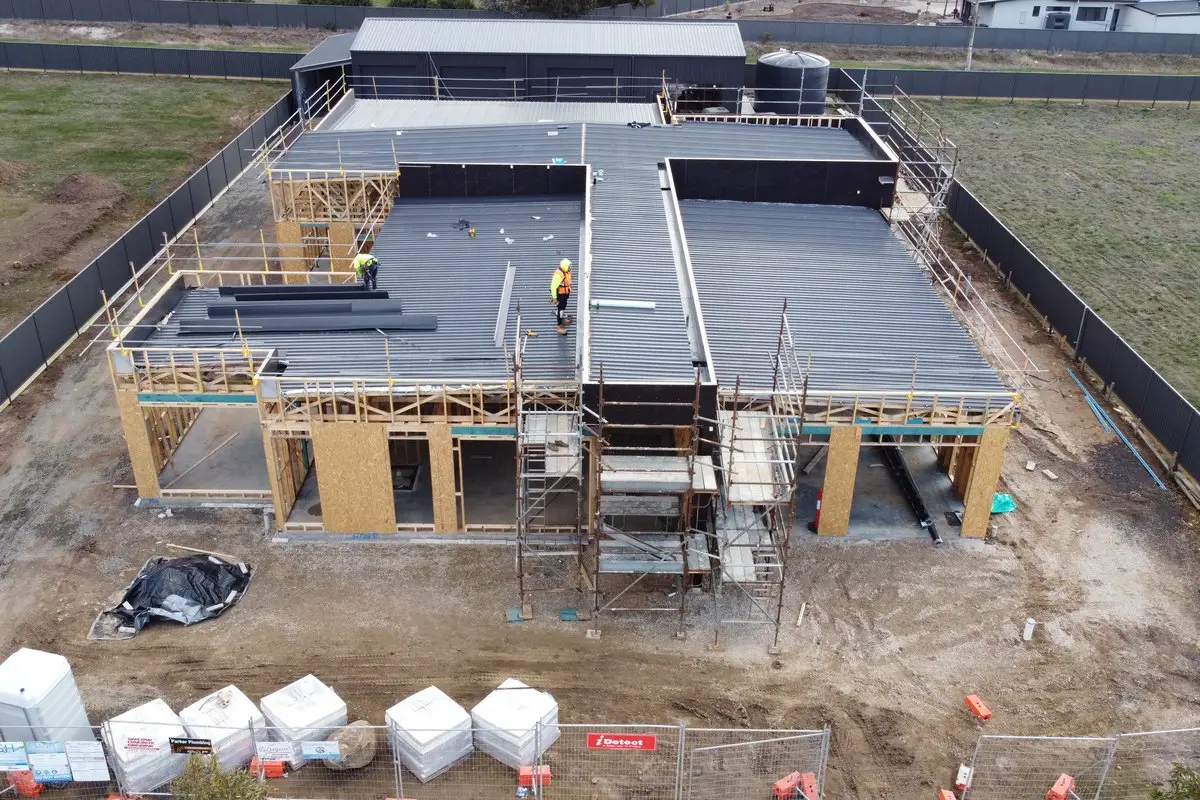
Flashing installation may be planned before water entry occurs when a chimney, skylight, parapet, extension or wall abutment creates a new roof junction. It can also correct an established detail that lacks adequate coverage or drainage.
For an existing roof, useful clues include staining close to a wall or penetration, a leak that appears only with wind from a certain direction, lifted edges, gaps or old sealant around an improvised cover. These signs justify inspection, but they do not prove the flashing alone is responsible.
Choosing the Detail, Not Just the Metal
The appropriate form can include apron flashing, side flashing, soakers or a custom-folded component, depending on the junction. Dimensions, upstands, cover, laps and termination points must match the roof geometry and anticipated water movement.
Material compatibility matters because dissimilar metals, unsuitable fasteners and retained moisture can contribute to corrosion. Sealants can support a properly designed detail but should not replace mechanical coverage and sound water direction.
Inspection and Installation Sequence
The first step is to discuss when and where moisture has appeared, then inspect safe accessible areas of the roof and the related drainage. Photos taken while a stain is active can help establish timing and direction.
Once the scope is agreed, the junction is prepared, the shaped flashing is positioned with appropriate laps and fixings, and its interfaces are completed for the particular roof system. The work area is then cleared and the completed scope can be explained.
Property Preparation and Trade-Offs
Before work begins, clear agreed driveway or access areas, move vehicles if requested and identify pets, locked gates, fragile landscaping or restricted side paths. Internal access may be useful when investigating a ceiling mark.
A localised installation can preserve a roof that otherwise has useful service life, but it cannot correct unrelated deterioration throughout the roof. Conversely, expanding the project unnecessarily adds cost and disruption.
Arrange a Flashing Installation Quote
If a new junction needs protection or an existing opening has never been detailed correctly, arrange an inspection with iFix Roofing Geelong. We can assess the roof, explain the proposed flashing arrangement and provide a free quote where offered for your property.
Discuss Your Roof Junction with a Local Roofer
Call 0448 889 294 to speak with our South Geelong-based team about a chimney, skylight, parapet, extension or wall abutment. A clear description of the junction and any rain-related symptoms helps us plan the next practical step.
Flashing Installation Geelong FAQs
When is new flashing installation required?
It is commonly required wherever roofing is interrupted or meets another surface, including walls, chimneys, skylights and parapets. It may form part of new roof work or correct a junction that was left inadequately protected. An inspection confirms the necessary detail and whether nearby roofing or drainage also needs attention.
Can flashing stop a leak around a skylight or chimney?
Correct flashing can stop water entering through an inadequately detailed junction, but a leak in that area may also come from the penetration itself, an upstream roof defect or blocked drainage. Locating the water path before installing new material avoids treating the wrong component and helps define an appropriate scope.
Is sealant enough instead of fitted flashing?
Sealant may be one part of a suitable system, but it should not substitute for adequate cover, laps, support and water direction. Surface sealant over a poorly shaped junction can deteriorate or trap moisture. The detail should primarily shed water through its form and integration with the roof covering.
Will new flashing match an older roof?
Compatible profiles, components and colours are selected wherever practical. Exact visual matching may be limited by the age and weathering of the existing roof or by discontinued finishes. Weather performance, material compatibility and a neat transition take priority, and any visible difference can be discussed before work proceeds.
How should I prepare for flashing installation?
Keep agreed access points clear, move vehicles if requested and tell the team about pets, gates or fragile areas. If water has appeared indoors, retain photos showing the stain during or soon after rain and note the wind direction if known. These observations can make diagnosis more efficient.