Tin Roofing
Repair or replace traditional tin-style roofs using modern compatible metal solutions that respect the building’s form and established drainage.
Tin Roofing Geelong
“Tin roof” is a familiar Australian term often used for corrugated sheet roofing on older homes, sheds and verandahs. The existing material may not literally be tin, so iFix Roofing Geelong starts by identifying the roof profile, condition and surrounding components before discussing repair or modern replacement options.
This matters on buildings assembled over many decades. Original corrugated sheets may sit beside a later lean-to, patched flashing or changed gutter. The right scope should preserve the practical character of the roof while correcting water paths, corrosion and incompatible previous work.
20+ Years
Industry Experience
Fully Licensed
Roofing Team
Insured
Local Professionals
Trusted
Geelong Roofers
When an Old Tin-Style Roof Stops Being a Simple Repair
Red rust, pinholes, loose or missing fixings, lifted sheet edges and repeated leaks can signal that an older corrugated roof needs attention. Water stains at verandah junctions, damp fascia and overflow near a valley may indicate that the vulnerable point is a transition rather than the main sheet area.
Old sealant and small patches can hide how far deterioration extends. Sheets may have thinned around fasteners or laps, and contact between dissimilar metals can concentrate corrosion. Continuing to seal individual holes may offer poor value if the surrounding material no longer provides a sound base.
Inspection checks the roof from upper flashings to gutters, including sheet profile, fall, support and later alterations. We separate defects that can reasonably be repaired from areas where replacement with a compatible modern metal equivalent would create a clearer long-term system.
Tin-Style Roofing on Geelong Homes, Sheds and Verandahs
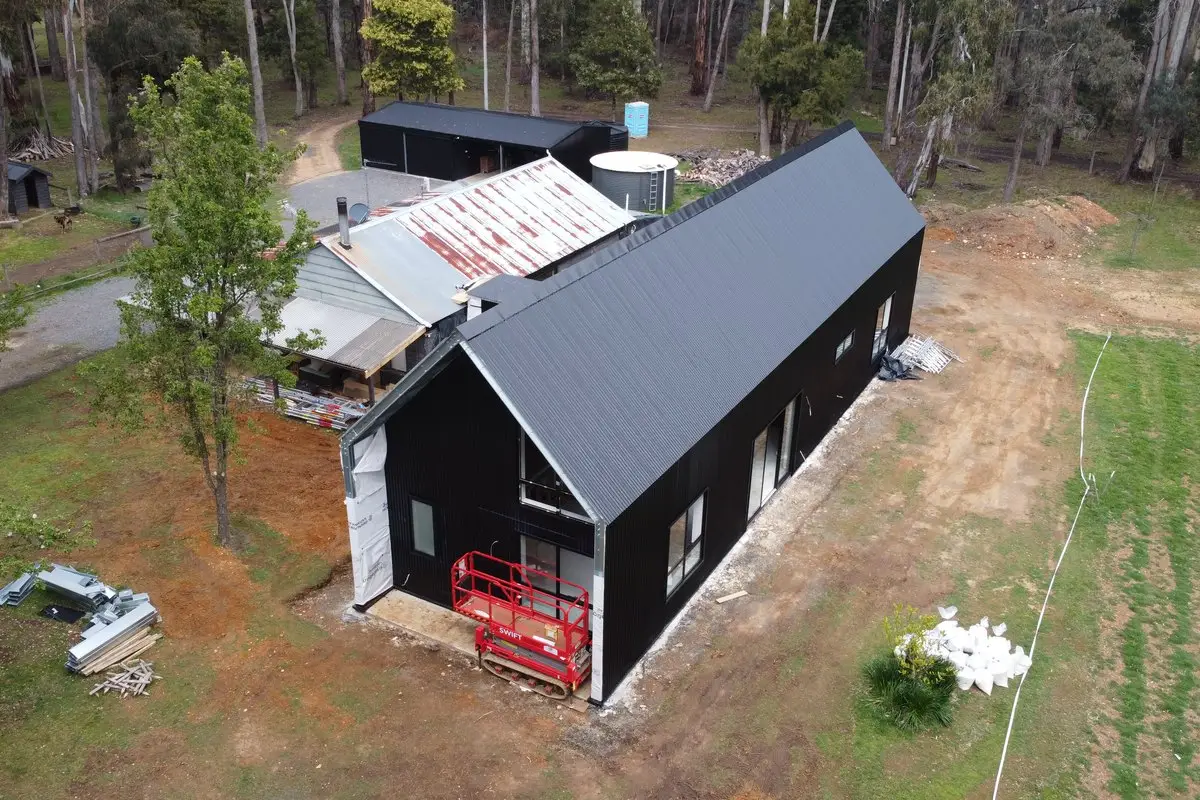
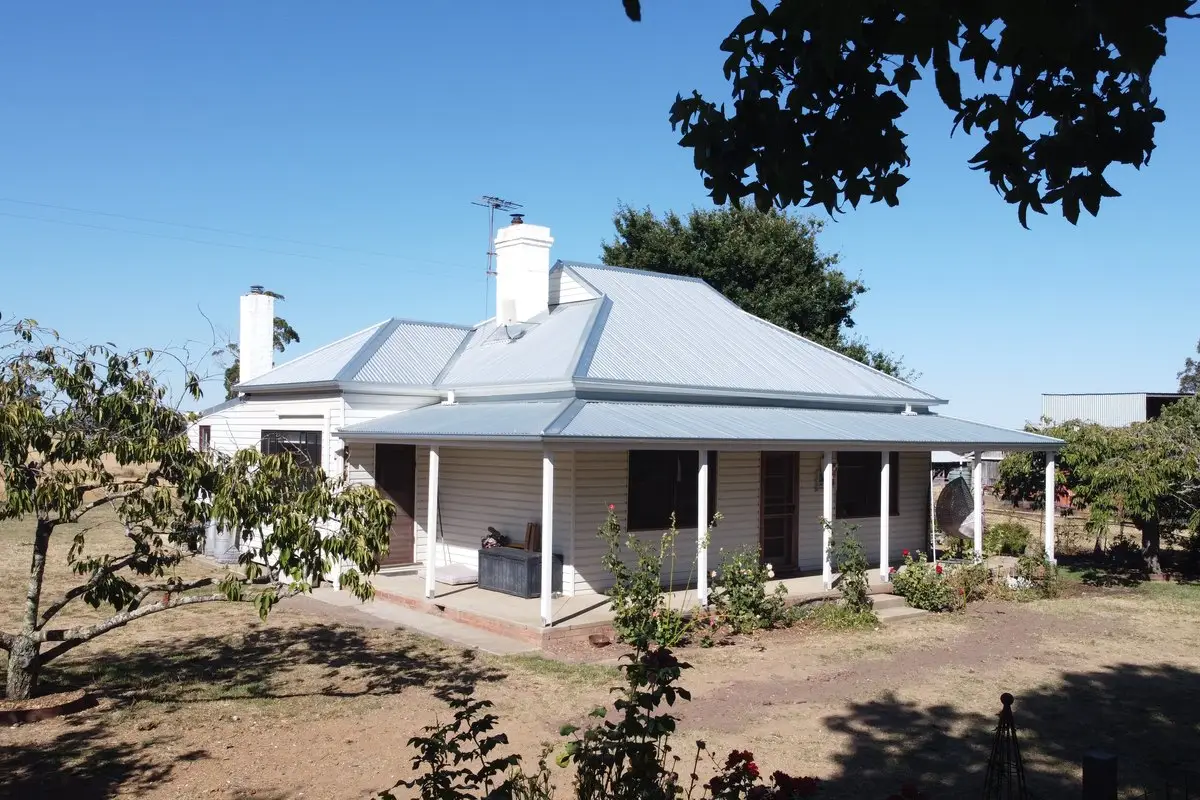
Geelong has many properties where corrugated roofing contributes to the building’s straightforward character. Weatherboards, rear additions, verandahs and outbuildings often contain junctions created at different times. Those meeting points deserve as much attention as the visible field of sheets.
Wind-driven rain can test side laps and edges, while salt exposure nearer the coast can add to corrosion risk. Temperature changes also move long sheets. Repair and replacement choices should account for exposure, roof pitch and compatible fixings rather than treating all older corrugated roofs alike.
Why Choose iFix Roofing Geelong
iFix Roofing Geelong combines more than 20 years of roofing industry experience with practical knowledge of metal repairs, replacement and roof plumbing. The South Geelong-based, licensed and insured team examines old roof fabric and later additions as one working system.
We explain when retaining sound material is reasonable and when accumulated corrosion or patching changes the decision. Where a traditional appearance is important, profile and detailing are discussed alongside weather performance, without claiming an exact historic match will always be available. The inspection can also distinguish an isolated verandah or lean-to problem from deterioration on the main roof, avoiding the assumption that every plane must receive the same treatment.
20+ Years of Roofing Experience
Fully Licensed and Insured Team
Older corrugated roofs assessed carefully
Traditional roof character considered
Modern metal equivalents available
Rust and mixed-metal risks checked
Verandah junctions included in inspection
Honest repair-versus-replacement guidance
Respecting Old Roof Character While Solving Modern Problems
Identify What Is Actually on the Roof
The label “tin” does not confirm the technical material. We inspect the sheet profile, coating or galvanised surface, fixings and signs of previous replacement. This avoids choosing a repair product or adjoining component based on a name that may have been used loosely for decades.
Condition can vary sharply across one building. A sheltered plane may remain serviceable while an exposed edge, valley or lean-to junction has deteriorated. Recording those differences helps define a scope that is neither an undersized patch nor an unnecessary whole-roof response.
Keep, Repair or Replace
Retaining existing sheets can be sensible where deterioration is isolated and the surrounding roof is stable. A targeted scope may address a flashing, fixing zone or damaged section using compatible materials. The detail must still preserve the intended overlap and route water towards drainage.
Replacement becomes more relevant when corrosion is widespread, sheets are thin around many fixings, or repeated repairs have failed in different areas. Modern corrugated steel, Zincalume or Colorbond and matching flashings are options identified by the source, subject to the specific building.
Details Around Verandahs and Additions
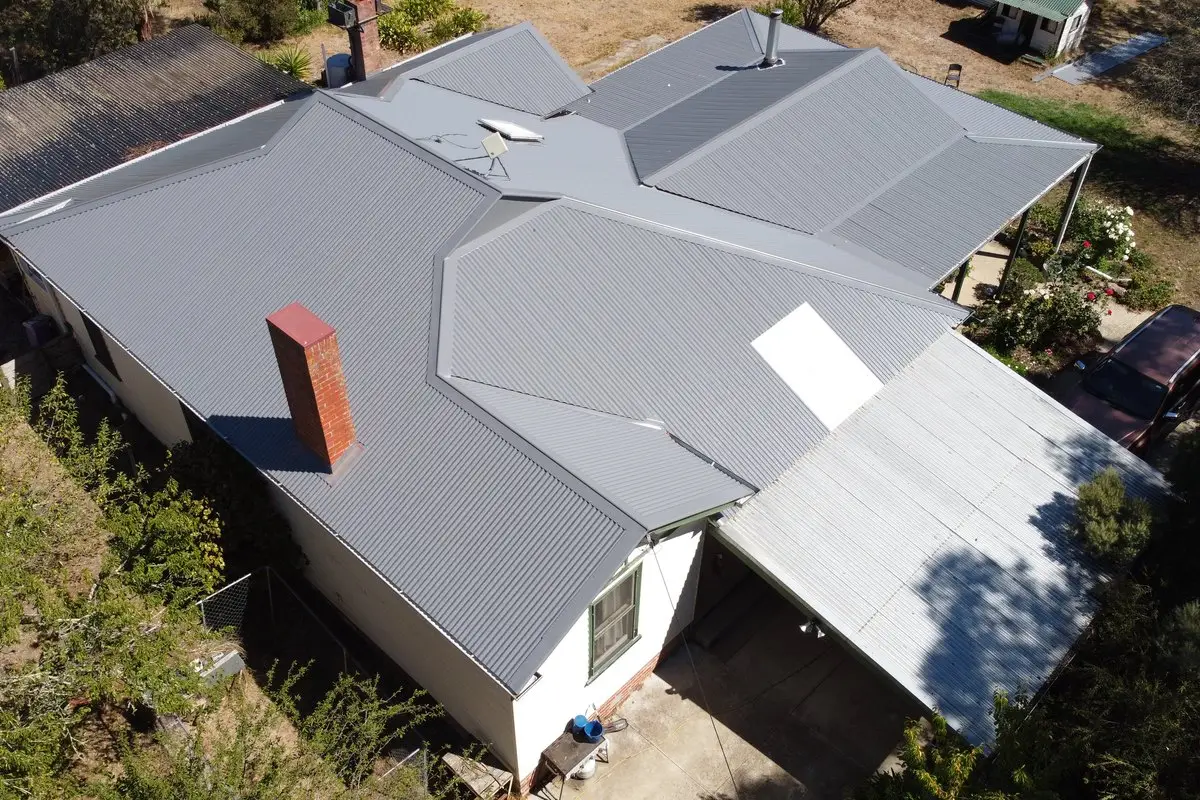
Older properties often reveal their maintenance history at verandahs, chimneys, extensions and changed roof pitches. Water arriving from a steeper roof can concentrate onto a shallow section, while a narrow gutter or improvised flashing may struggle during heavy rain.
We review these transitions before simply replacing the most visibly rusted sheet. A sound new panel will not correct water being forced under a junction or behind fascia. Integrating flashings and drainage with the selected profile is central to the scope.
Prepare for Work on an Older Building
Before work, provide clear access and identify fragile landscaping, pets, gates and any areas that should remain undisturbed. Removal can create noise and reveal dust or concealed deterioration, so occupants should understand the sequence and the areas immediately below the roof work.
Old roofing can conceal damaged supports, fascia or debris that was not visible during a non-invasive inspection. If an additional issue appears after removal, we stop and explain its relevance before changing the agreed work. Weather and safe access also influence scheduling.
Find Out What Your Tin Roof Needs
Arrange an inspection to identify the existing corrugated material, locate the cause of deterioration and compare a focused repair with modern replacement options.
Speak with a Geelong Metal Roofer
Call 0448 889 294 to discuss an older home, shed or verandah roof and the practical next step for its sheets, flashings and drainage.
Tin Roofing Geelong FAQs
Is my “tin roof” actually made from tin?
Not necessarily. “Tin roof” is commonly used as a general name for corrugated sheet roofs, including galvanised or modern coated steel products. Inspection of the material, profile and age provides a better basis for choosing compatible repair or replacement components.
Can a rusty corrugated sheet be patched?
A small isolated defect may be repairable when the surrounding sheet remains sound and the repair can be integrated correctly. If the metal is thin across a broad area or rust appears around many fixings and laps, patching one hole may not address the wider condition.
Can modern roofing retain a traditional corrugated appearance?
Modern corrugated steel products can often provide a familiar roof rhythm, and the original source identifies corrugated steel, Zincalume and Colorbond as typical options. Exact matching depends on the existing profile and available products, so it is assessed rather than promised.
Why do old verandah roofs often leak at the house wall?
The junction may combine a change of pitch, concentrated water, ageing flashing and movement between different building sections. The visible drip is not always directly below the entry point. Inspection should consider the wall flashing, upper catchment, laps and receiving gutter together.
Should I replace the gutters at the same time?
Not automatically. Gutters should be assessed for condition, fall, compatibility and ability to receive water from the roof. Sound drainage may be retained, while deteriorated or poorly integrated sections can be included where leaving them would undermine the roofing scope.