Steel Roofing
Choose and integrate durable steel roofing with careful attention to profiles, coatings, fixings, drainage and Geelong’s varied exposure conditions.
Steel Roofing Geelong
Steel roofing is valued for its practical sheet coverage and range of profiles and finishes, yet the result depends on correct specification and installation. iFix Roofing Geelong works on new roofs, replacements, renovations and tile-to-metal upgrade projects, assessing the building rather than assuming every steel system is interchangeable.
The useful decision is not simply “steel or not steel”. Owners need to consider roof form, pitch, appearance, surrounding materials, water volume and how ridges, valleys, gutters, flashings and penetrations will be resolved. Those choices determine whether the completed roof operates as one system.
20+ Years
Industry Experience
Fully Licensed
Roofing Team
Insured
Local Professionals
Trusted
Geelong Roofers
Choosing Steel Roofing for the Building, Not Just the Colour
Steel work may be prompted by a new project, widespread deterioration, a planned replacement or a tile-to-metal change. On an existing steel roof, rust, lifted edges, worn fixings, repeated leakage and movement noise are warning signs that the condition and attachment details need inspection.
Selecting a finish without reviewing profile and interfaces can create problems at existing gutters, flashings or additions. Mixed metals, inappropriate fasteners, poor laps and trapped debris can contribute to corrosion or leaks even when the visible roof surface initially looks neat.
We inspect exposure, support, water paths and adjoining components before advising on a repair or replacement scope. For conversion work, the change in roof covering must be planned as a complete project; assumptions about existing structure or drainage should be resolved through the appropriate project process.
Steel Roofing for Geelong Weather and Building Styles
Geelong’s bay winds, changing temperatures, winter rain and coastal salt exposure place different demands on roofs depending on location and orientation. Secure edges, suitable coatings and compatible fixings matter, particularly where a building is exposed or close to salt-laden air.
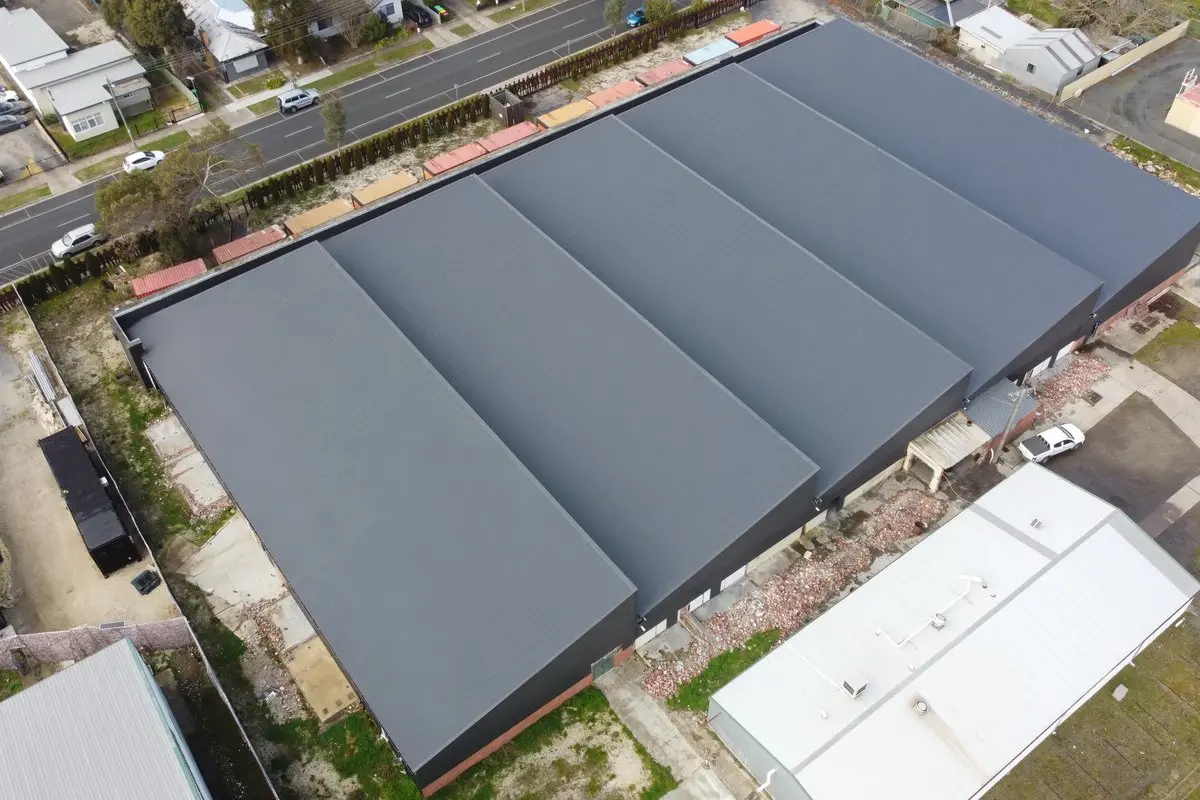
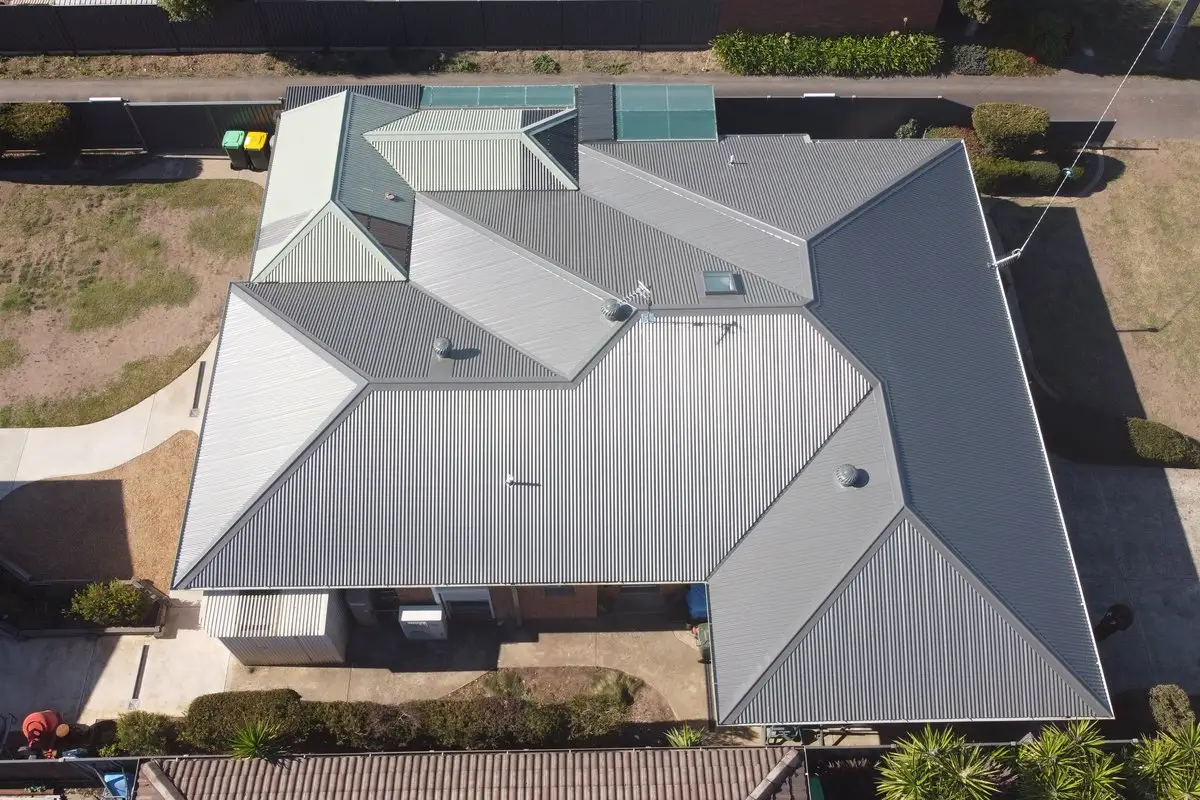
Steel roofs appear on period homes, contemporary builds, sheds, additions and small commercial premises. Each roof form creates different runs and junctions. The best option is the one that can be installed cleanly with effective drainage and details that suit the property’s architecture.
Why Choose iFix Roofing Geelong
iFix Roofing Geelong brings more than 20 years of industry experience and works across steel roofing, roof plumbing, repairs and replacement. The licensed and insured team can assess both the covering and the components that direct water away from the building.
We provide practical explanations of profiles, finishes and integration points without treating a brand name as a substitute for detailing. The aim is to help clients understand what is included, why it suits the roof and where an alternative scope may be more sensible. That discussion includes how sheet length, roof pitch and the receiving drainage influence the work, plus which existing components can reasonably remain beside the proposed steel installation. Edge exposure and future access are considered before measurements and ordering are finalised. These details support an informed material order.
20+ Years of Roofing Experience
Fully Licensed and Insured Team
Steel roof options explained clearly
BlueScope steel experience
Colorbond and Zincalume finishes considered
Fixing and corrosion risks assessed
Conversion interfaces reviewed carefully
Complete drainage details considered
A Practical Guide to Steel Roof Selection and Work
Where Steel Roofing Fits
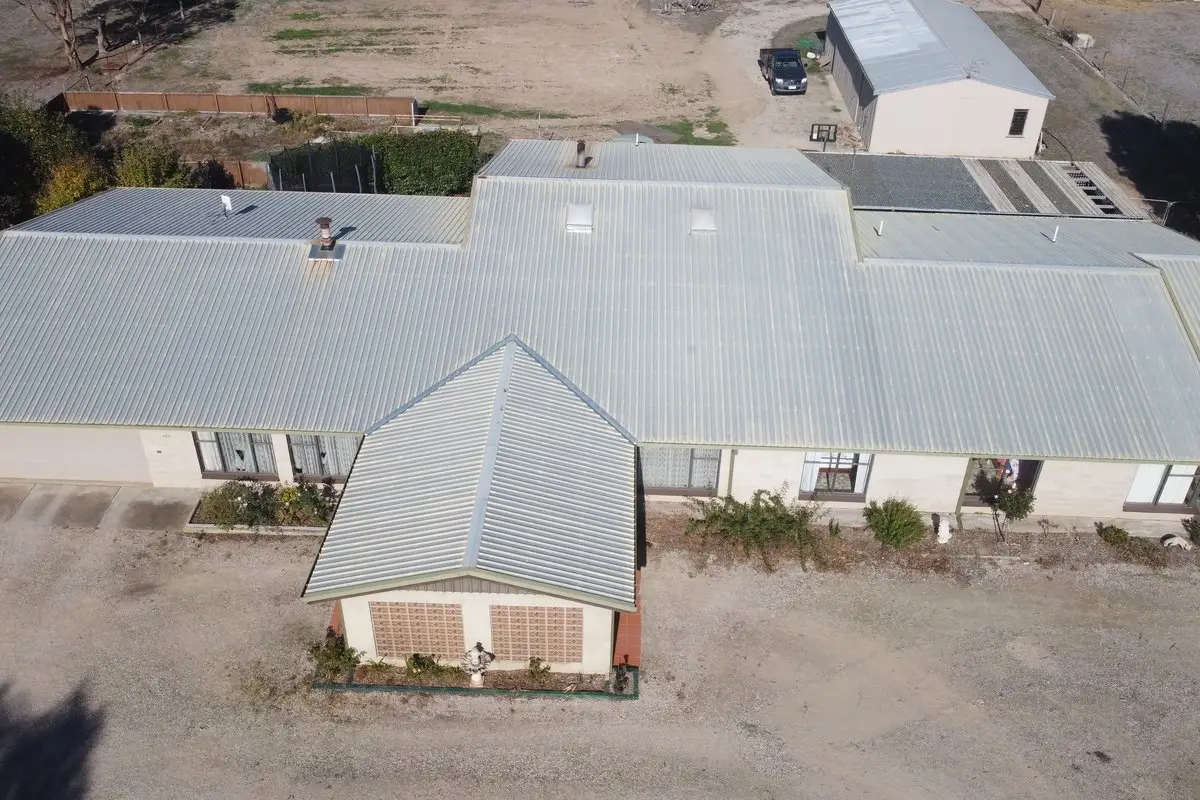
Steel can suit new roofs, replacements, renovations and some tile-to-metal upgrades. Its suitability still depends on roof pitch, building form and how sheets terminate at walls, edges and drainage. Existing additions and penetrations may make a seemingly simple plane more complex.
On replacement projects, inspection distinguishes reusable components from sections that would compromise new work. Retaining a deteriorated valley or poorly arranged outlet beside new sheets may preserve the original failure point, so the proposed boundary needs to make practical sense.
Coatings, Profiles and Fixings
Typical choices identified by the source include BlueScope steel, Colorbond finishes and Zincalume options, together with appropriate fixings. Colour is visible, but profile geometry and coating compatibility often have greater influence on how new work joins gutters, flashings and existing sheets.
Fasteners need to suit the roof system and exposure. Cut edges, swarf, mixed-metal contact and moisture-holding debris deserve attention because they can create local corrosion risks. We consider these installation details rather than relying on the sheet coating alone.
From Preparation to Installation
The process starts by confirming scope, measurements, access and delivery requirements. Owners should move vehicles where requested and identify gates, pets or fragile areas. On a replacement, removal and waste handling are planned so exposed sections can be managed around safe working conditions.
Sheets are aligned and fixed in accordance with the intended layout, while laps, ridges, valleys and flashings are integrated to maintain water flow. Gutters and downpipes are considered at the receiving edge. Completed work is cleaned and the relevant details are discussed with the client.
Repair Versus a New Steel System
Local repairs can remain worthwhile when a defect is isolated and the surrounding steel retains useful life. They may address a damaged sheet area, fixing or flashing. Widespread coating failure, corrosion at multiple points or recurring leaks across different junctions can support a replacement discussion.
A new system involves more cost and disruption, but it may avoid layering patches onto material that is reaching the end of a useful service period. We present the observed condition and scope implications so the owner can decide without an automatic replacement recommendation.
Compare Steel Roofing Options for Your Property
Request a free quote to review the roof form, existing materials, drainage and the practical differences between a repair, replacement or new steel installation.
Talk Through the Roof with a Local Specialist
Call 0448 889 294 for a straightforward discussion about profiles, finishes, corrosion concerns or steel roofing work in Geelong and surrounding areas.
Steel Roofing Geelong FAQs
Is all metal roofing steel roofing?
Many familiar Australian metal roofing products are coated steel, but “metal roofing” can describe a broader category. For a project, the important information is the actual material, coating, profile and compatible accessories rather than relying on an informal label.
Can steel roofing replace roof tiles?
A tile-to-metal upgrade may be possible, but it is a broader project than exchanging one covering for another. Roof form, support, flashings, drainage and relevant project requirements need to be addressed through the proper planning and building process before the scope is settled.
Are Colorbond and Zincalume the only options?
They are the steel finish options specifically identified in the original service page, alongside BlueScope steel and compliant fixings. The appropriate product and finish depend on design, exposure and adjoining components; we do not claim one standard selection suits every property.
Can rusted steel roofing be repaired?
Localised deterioration may be repairable when surrounding material is sound and the cause can be addressed. Rust across multiple areas, around many fixings or at critical laps can change the balance towards broader replacement. Inspection establishes extent before a recommendation is made.
Will new steel sheets match an older roof exactly?
Compatible profiles and colours are sought where practical, but older products and weathered finishes may not have an exact current match. A neat appearance matters, while correct profile integration, water flow and material compatibility remain essential.