
Metal Roof Repairs
Repair local corrosion, failed fixings, loose sheets and storm damage with methods that respect the profile and movement of your metal roof.
Metal Roof Repairs Geelong
Metal roof repairs require attention to how sheets, fasteners, flashings and laps behave as a connected assembly. A loose panel, rusted edge or failed fixing may look isolated, yet the appropriate repair depends on the sheet profile, support, surrounding coating and the path wind and water take across it.
iFix Roofing Geelong assesses local storm damage, corrosion, movement and fixing issues on existing metal systems. The team explains whether individual components can be repaired or replaced compatibly, or whether deterioration across several sheets makes a wider renewal option worth comparing.
20+ Years
Industry Experience
Fully Licensed
Roofing Team
Insured
Local Professionals
Trusted
Geelong Roofers
Movement, Corrosion and Fixings Leave Distinct Clues
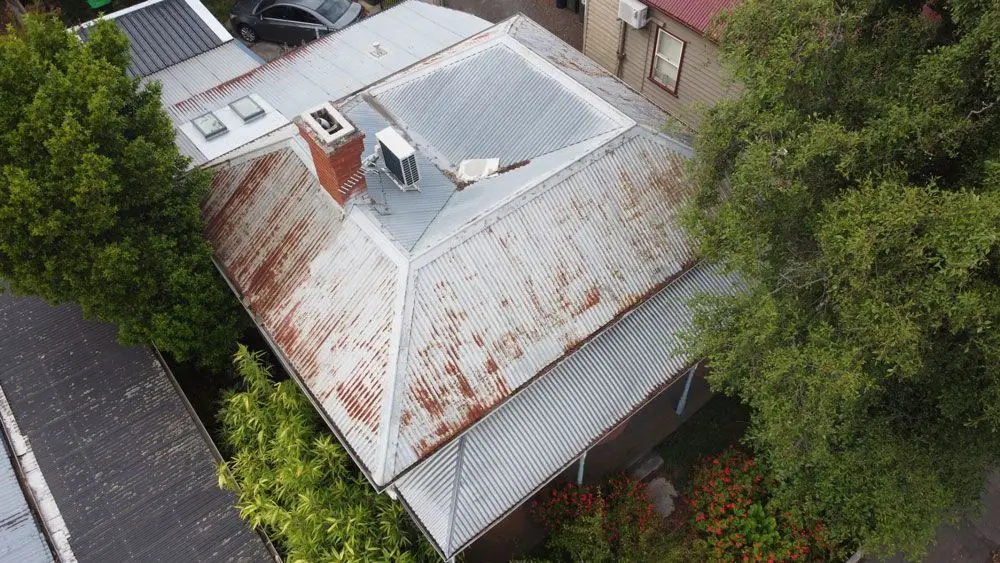
Visible rust, lifted sheet edges, loose or backed-out fasteners, noisy panels and dents or punctures after impact are key signs. Indoors, stains may appear after wind-driven rain. Cracked sealant around a penetration or fretting where components meet can also indicate movement or material incompatibility.
Metal sheets expand, contract and transfer wind loads through their fixings. When support or fasteners fail, openings can grow and neighbouring laps can move. Corrosion at cut edges or beneath trapped debris may spread beyond the visible mark, while repeated sealant patches can conceal the true condition.
Inspection considers the extent and position of defects, not just their number. A sound sheet with a local compatible repair is different from widespread coating breakdown or numerous failed fixings. Replacement of a sheet or detail may be preferable where a patch cannot create a reliable connection to solid material.
Metal Roof Repairs Under Geelong Conditions
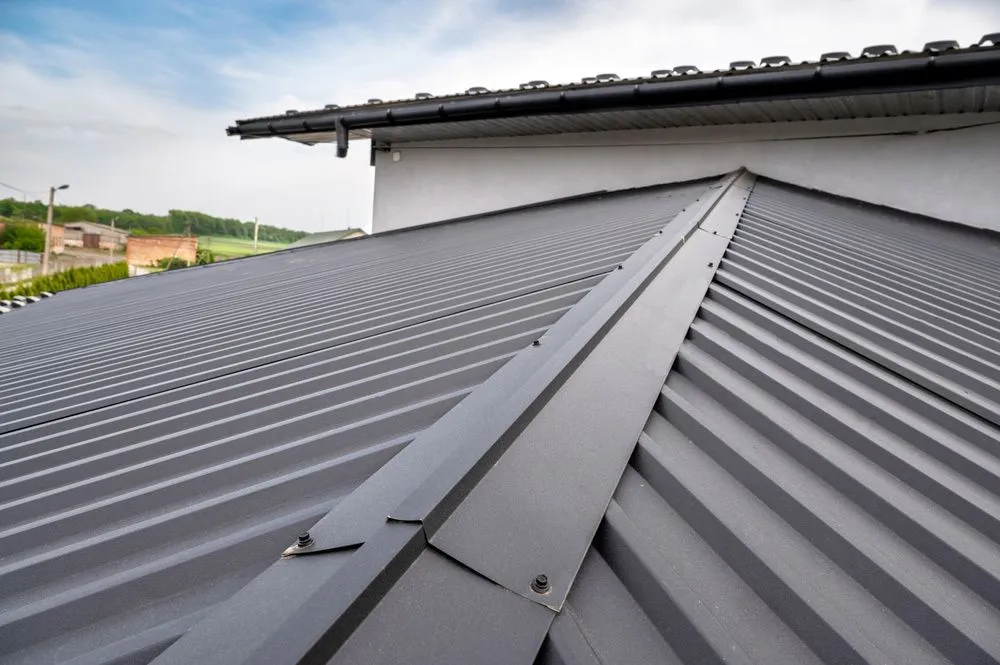
Bay winds can test exposed edges and loose sheets, while wind-driven rain challenges laps and penetrations. Hot dry weather followed by cold fronts contributes to movement through metal components. In areas with coastal influence, salt exposure may add to corrosion risk at fasteners, edges and drainage points.
Geelong metal roofs include different ages, profiles, pitches and layers of alteration. Extensions, verandahs, skylights, solar work and changed gutters create junctions that may not move or drain like the original roof. Repair planning must fit the actual profile and nearby materials rather than assume all metal roofing is interchangeable.
Why Choose iFix Roofing Geelong
iFix has more than 20 years of roofing industry experience and works across metal roofing, roof plumbing and repairs. This combination supports better decisions around sheet profiles, replacement fasteners, flashings, corrosion risk and the drainage details that often influence metal roof faults.
The fully licensed and insured team is based in South Geelong and may offer free inspections and quotes. You receive a practical explanation of repairable areas, compatibility limits and any broader replacement alternative, without treating every noisy sheet or isolated rust spot as evidence for a full new roof.
20+ Years of Roofing Experience
Fully Licensed and Insured Team
Metal profiles and laps assessed
Fastener condition reviewed
Local corrosion extent checked
Compatible sheets and flashings
Storm movement considered
Repair-versus-renewal advice
Repairing Metal Without Creating the Next Weak Point
Map the Defect Across Sheets and Supports
Inspection checks visible corrosion, dents, loose edges, failed fasteners and sealant, then follows the issue into adjoining laps and flashings. Roof noise in wind, where safely observable, can help identify movement but must be interpreted alongside the sheet support and fixing pattern.
Interior evidence and rain direction are also useful. Water entering at one lap can travel along the underside before dropping, so the ceiling mark may not align with the fault. Valleys, gutters and penetrations are reviewed when they can influence the affected area.
Choose a Patch, Component Repair or Sheet Replacement
A focused repair may suit a limited fixing issue, small flashing defect or local damage with sound surrounding material. Replacement fasteners, compatible flashings and sheet metal may form part of the method. Sealant is used as a detail, not a substitute for failing support.
Sheet replacement may be more coherent where corrosion extends through the metal, a profile is badly distorted or there is no sound edge for a repair. If similar deterioration appears across many sheets, the quote should distinguish immediate local work from a broader roof replacement discussion.
Respect Profiles, Metals and Thermal Movement
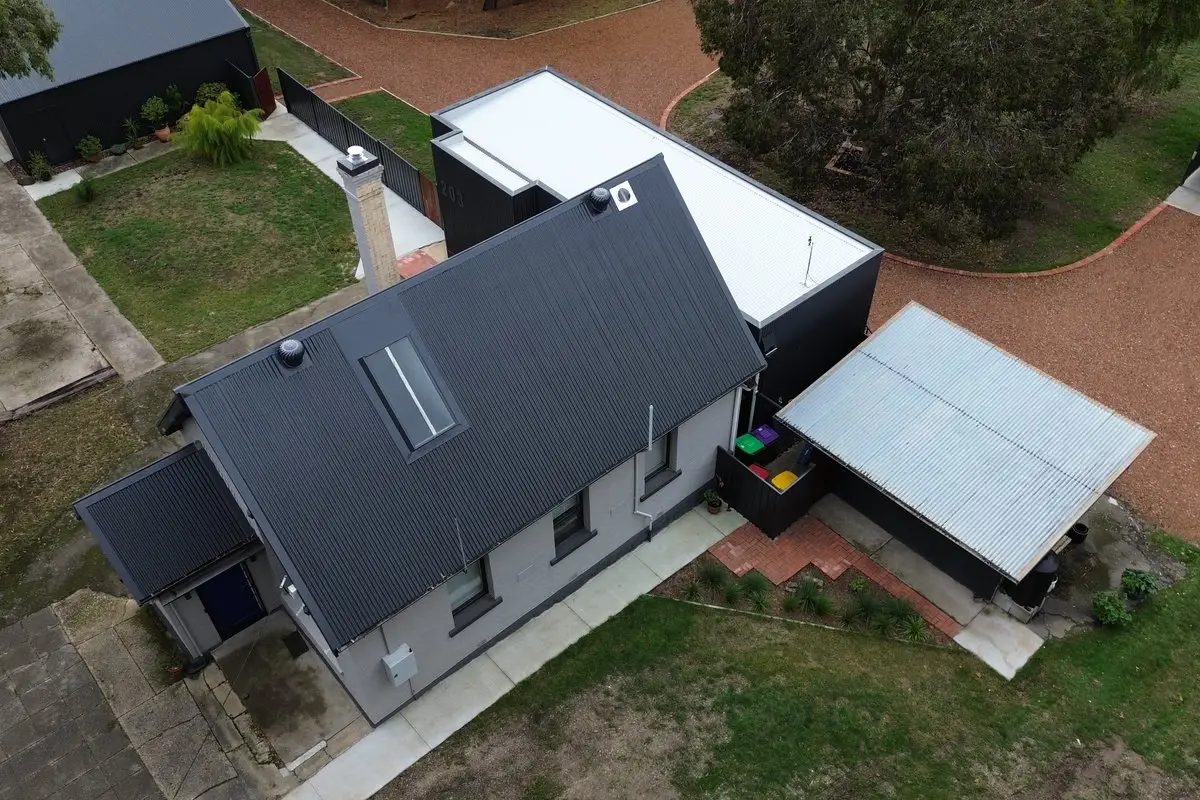
New work needs to integrate with existing Colorbond, Zincalume or other sheet sections where present. Profile, coating, fastener type and contact between metals are considered because an incompatible component can accelerate corrosion or prevent laps from sitting as intended.
Correct fixing patterns, laps, support and flashing geometry allow the roof to shed water while accommodating normal movement. Forcing sheets into alignment or sealing over moving gaps may produce a neat short-term appearance without addressing why the connection failed.
Plan Access and Protect the Surroundings
Metal can be slippery, sharp and vulnerable to further damage from poor foot placement, so owners should not investigate by walking on the roof. Provide safe property access, move vehicles if requested and identify gates, pets, fragile landscaping or tight side paths.
Weather controls when sheets can be handled safely. Materials may also need to be matched or measured before work. iFix explains the intended sequence and, if opening a lap or flashing reveals concealed deterioration, discusses the changed condition before expanding the repair.
Get a Metal Roof Repair Scope
Arrange an inspection for rust, loose sheets, failed fasteners, storm impact or unexplained roof noise. iFix can identify a focused repair boundary and explain where replacement is the stronger option.
Discuss Your Existing Metal Roof
Call 0448 889 294 to speak with a local metal roofer about the roof age, profile if known, recent weather and the signs you have observed.
Metal Roof Repairs Geelong FAQs
Can a rusted metal roof sheet be repaired?
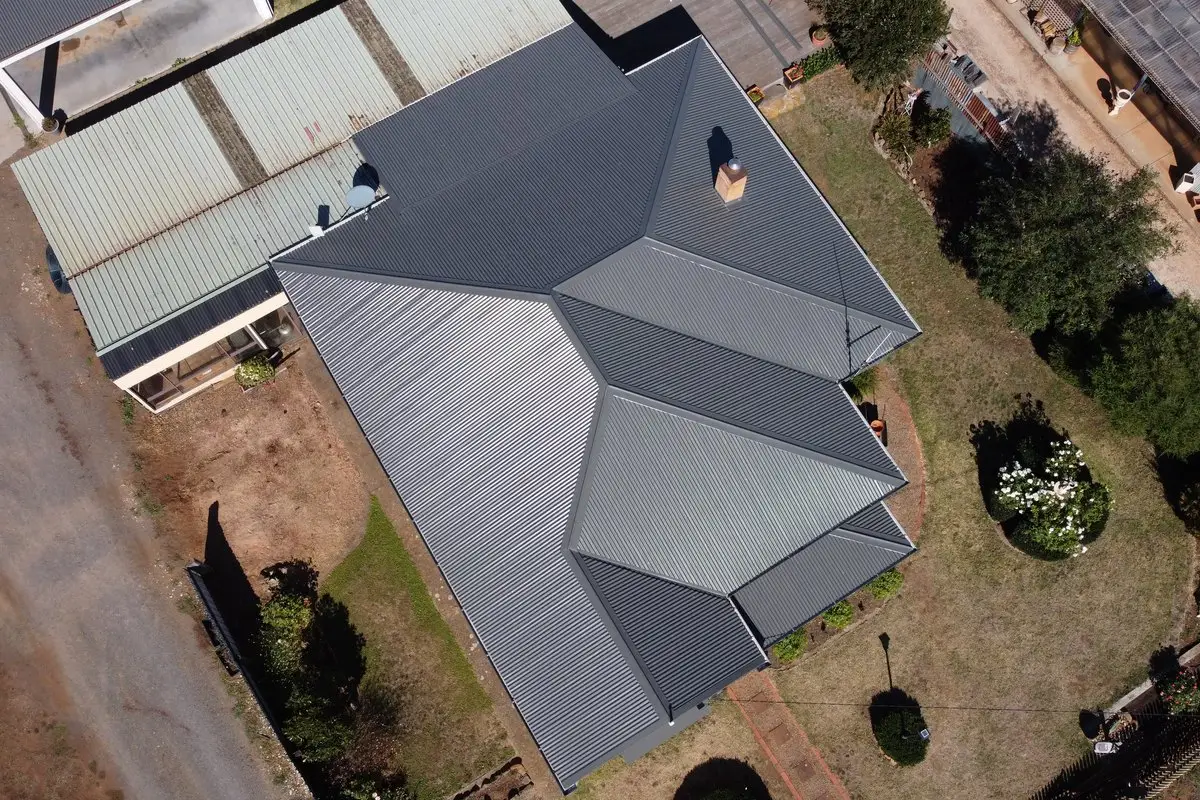
Local corrosion may be repairable when solid material surrounds it and the repair can integrate with the sheet profile and water path. Rust extending through large areas, laps or several sheets may favour replacement. Inspection is needed because the visible spot can understate deterioration.
Why does my metal roof make noise in the wind?
Noise may relate to sheet movement, loose fixings, exposed edges or normal thermal and weather effects. A new or worsening sound deserves assessment, particularly if accompanied by lifted metal or leaks. The source should be located before fasteners are changed indiscriminately.
Can old fasteners simply be tightened?
Not always. The fastener, washer, hole and supporting material all affect whether tightening is useful. Overtightening can distort washers or sheets, while enlarged holes may require a different repair. The wider fixing pattern and cause of movement should be checked first.
Will replacement metal match the existing roof?
A compatible profile and coating are prioritised, with colour matching pursued wherever practical. Older roofing may have faded, and some profiles may no longer be exact visual matches. iFix explains these limits and the visible extent before replacement components are ordered.
When is full metal roof replacement worth considering?
It becomes relevant when corrosion is widespread, many fasteners or laps are failing, sheets are broadly damaged or local repairs cannot connect to sound material. A single isolated defect does not by itself require replacement; condition across the complete roof informs the decision.